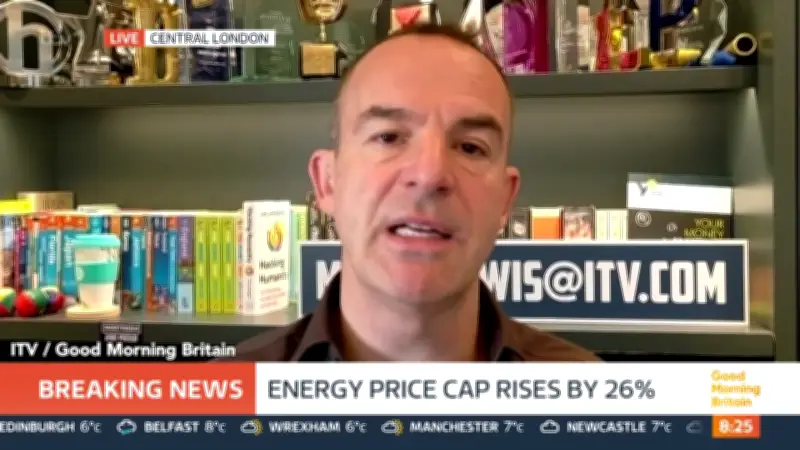
Money Saving Expert (MSE), founded by Martin Lewis, has issued advice that could help UK households save on energy bills by fitting thermostatic radiator valves (TRVs) for around £10. The tip comes as the Ofgem price cap is set to rise by 26% from January 2027.
Energy Price Cap Rise Confirmed
The updated advice was posted on November 24, a day before regulator Ofgem announced that energy prices will increase by 26% for a typical household using electricity and gas and paying by Direct Debit, covering the period from January 1 to March 31 2027. MSE noted that "energy costs are in turmoil right now due to the ongoing conflict in the Middle East", with many households struggling to pay.
Ofgem also reminded households that the UK government has announced around 20 million households will receive £100 towards their energy bill from January. The government has also announced plans to remove standing charges from gas bills in 2027 or as soon as possible afterwards.
How TRVs Can Save Money
MSE explained that TRVs offer "extra control" by allowing you to set the temperature of each individual room, except where the main thermostat is located. When the room temperature exceeds the level set on the valve, it stops hot water from flowing through that radiator. The boiler can still heat other rooms, but it will use less energy overall.
MSE states: "Installing them and using them with your thermostat allows you to control the temperature room by room, and could save on energy bills, but there will of course be an initial cost for the valves, which cost about £10 plus installation costs."
Most TRVs have a frost prevention setting, usually marked with a snowflake symbol, which lets a small amount of hot water through to prevent pipes from freezing when the valve is fully turned off. MSE warns that if radiators lack TRVs, turning them off completely could result in burst pipes in very cold weather.
Additional Savings and Precautions
MSE also recommends turning down radiators in unused rooms. It cites Smart Energy GB, which says setting radiator valves to the midway point in rooms you don't use could save about £40 a year. However, MSE warns that colder rooms could lead to more condensation, increasing the risk of mould, and that fridges and freezers generally can't function properly if room temperatures drop too low, typically below 10C.
For commuters, MSE suggests turning radiator dials down before 9am to avoid heating rooms after leaving for the day. For those working from home with a desk in the bedroom, wearing an extra layer while keeping the thermostat slightly lower is recommended. Martin Lewis has urged people to speak to their energy provider if they are worried.
On the suggestion of painting radiators black to improve efficiency, MSE dismisses it, saying: "Some also say that painting your radiators black can help them heat rooms more efficiently, but as far as the Energy Saving Trust is concerned, this is a waste of time and money (and paint)."