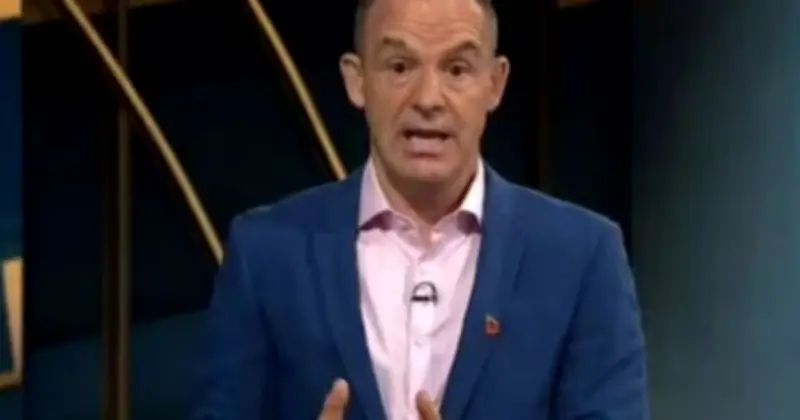
Martin Lewis has warned parents to “act now” if their child has recently turned 16 and remains in full-time education or approved training, as failing to confirm their circumstances could mean losing Child Benefit worth more than £1,400 a year.
The MoneySavingExpert founder highlighted the issue in a social media warning, urging parents whose children have turned 16 and are still studying to make sure they have completed the necessary steps to continue receiving the benefit.
Child Benefit rates and eligibility
Child Benefit is currently worth £27.05 a week for an eldest or only child, which works out at £1,406.60 over a full year. Parents can also receive £17.90 a week for each additional child, equivalent to £930.80 a year.

However, Child Benefit does not automatically continue when a child reaches 16. HM Revenue and Customs (HMRC) contacts parents to ask whether their child is still in approved full-time education or unpaid training. Parents must respond or notify HMRC online by August 31 following their child's 16th birthday if they want their payments to continue.
Deadline and approved education rules
MoneySavingExpert warns that missing the deadline could result in Child Benefit stopping even when a child remains eligible. Parents are therefore being urged to check their correspondence and make sure HMRC has been told about their child's education.
Approved education can include A-levels, certain vocational qualifications and home education in qualifying circumstances. A university degree does not count as approved education for Child Benefit purposes, while approved training generally needs to be unpaid and can include traineeships.
When payments stop and other rules
Once a child's approved education or training ends, Child Benefit normally comes to an end. Payments can stop at the end of February, May, August or November, depending on when the qualifying education or training finishes.
There are also circumstances where Child Benefit can continue for an additional 20 weeks, including certain situations involving young people who leave education and register with a careers service or join the armed forces.
The amount families can receive increased in April 2026, with Child Benefit rising by 3.8%. The new rate of £27.05 a week for an eldest or only child means eligible families can receive £1,406.60 over the course of a year.
Earnings and backdating
The rules around earnings have also caused confusion among some parents. The £60,000 figure is not a limit that prevents someone from claiming Child Benefit. Instead, the High Income Child Benefit Charge can apply when an individual's adjusted net income is above £60,000, with the amount repaid increasing as income rises.
Parents earning more than £80,000 can face a charge equal to the full amount of their Child Benefit, although claiming can still be important in some circumstances because Child Benefit can provide National Insurance credits that help protect entitlement to the State Pension.
Families who have not claimed Child Benefit can generally have their claim backdated by up to three months. Parents can use the government's online Child Benefit services to check their position, make a claim and provide information about their child's education.
With the August 31 deadline approaching for children who turned 16 earlier in the year, Martin Lewis's warning is a reminder for parents not to assume their Child Benefit will continue automatically. Checking the child's education status and responding to HMRC in time could help families avoid missing out on a payment worth more than £1,400 a year.