Tom Sharp, a senior clinical psychologist at Cumbria Northumberland Tyne and Wear NHS Trust's CaPE clinic, has explained how NHS patients are supported as they take psychedelic drugs during clinical trials.
Sharp told ChronicleLive that trials vary, but generally patients who pass screening meet with a therapist for two or three sessions to discuss what taking a psychedelic is like. He said it is common for people to experience hallucinations, hear things, or feel unusual sensations in their body, and part of the preparation involves education about the experience.
How the preparation works
Sharp said another part of preparation involves learning about the person's journey with depression and anxiety and developing a trusting bond between participant and therapist.

The trials are run as part of the Care Pathway Enhancement (CaPE) clinic, and patients can self-refer if they are struggling with mental health conditions and wish to consider taking part in innovative clinical trials. Trials involving psychedelic drugs have taken and continue to take place for some mental illnesses, including severe depression.
Previously, consultant Dr Mourad Wahba told ChronicleLive that trials of substances such as synthetic forms of psilocybin, the psychoactive compound in "magic mushrooms," had huge potential as treatments.
What happens on dosing day
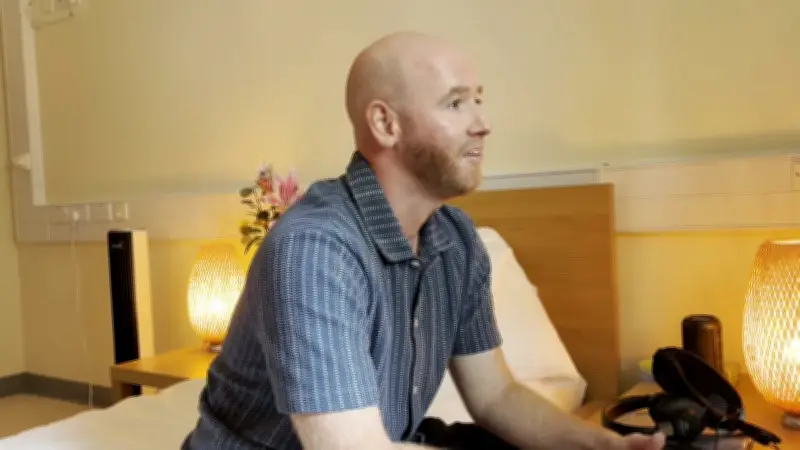
Sharp explained that on the dosing day, participants are asked to lie or sit on a bed for most of the time. Psychedelic experiences can last six to eight hours for psilocybin, depending on the substance.
Patients are encouraged to use eye masks, headphones, and a music playlist during the session. Sharp said a big part of his job is to help people feel as calm and regulated as possible during the experience, which can be uncertain and anxiety-provoking.
Integration and next steps
After the dosing day, Sharp works with the patient during "integration" sessions to make sense of the experience and help put insight into action in the patient's life.
One of the trials currently open is Embrace, which is a phase three clinical trial that has previously been found to be safe among volunteers. Patients can self-refer to the CaPE clinic for more information.