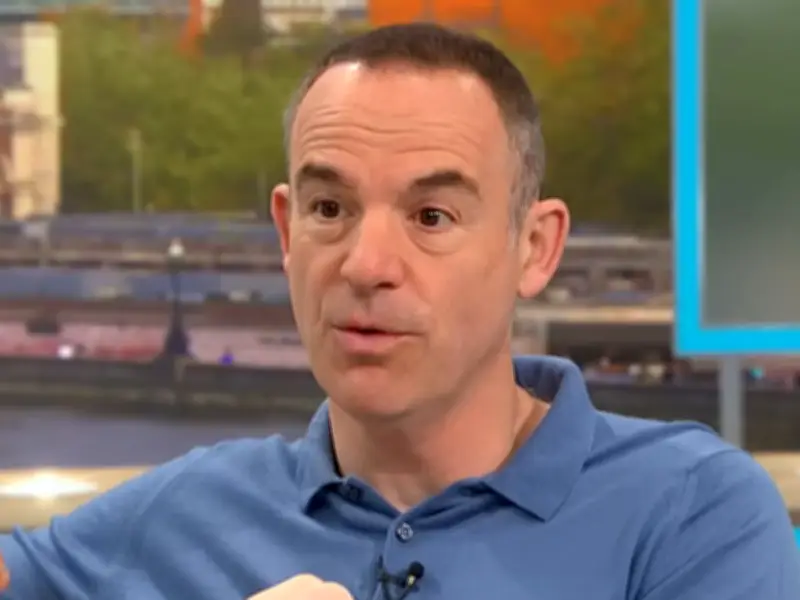
Martin Lewis has urged caution when using artificial intelligence for financial tasks, warning that uploading bank statements could expose users to scammers. The consumer expert shared his advice on his BBC podcast.
Risks of sharing financial data
Lewis warned that information provided to AI tools can be used to train future systems, meaning it may not remain private. He said: “I definitely wouldn't use it to tell me what I should invest in. I definitely wouldn't use it for tax benefits or pension decisions without checking, and I definitely wouldn't, unless I knew it was a locked-in, secure environment, upload my entire financial life, because I think there is a risk of access to scammers.”
He cautioned users to think about what details they hand over, so they don't give data that “either could be used to defraud you or details you wouldn't want to go anywhere else.”
Good uses for AI in finance
Despite the risks, Lewis sees value in AI for certain tasks. He described it as “absolutely brilliant” for budgeting, spotting patterns, and identifying spending habits that might go unnoticed. He also said AI is “really, really useful” for digesting lengthy policy documents, such as travel insurance terms and conditions.
He advised users to verify AI findings by asking it to point to the section of the document where it obtained the information.
Differences in AI quality
Lewis noted that the quality of AI responses varies significantly by tier. He said: “There is a massive difference between the answers you get on different levels of AI. Most people are on the quick or the instant version, and if you're on the quick and the instant version, that is designed to give you a quick, instant, may I say somewhat flippant answer.”
For more complex tasks, premium tiers offer more precision. Lewis explained: “If you start to go up to your medium level or even your pro level, if you have access to it, as some people will have through work, the entire research base and what it's checking and cross-checking itself is much, much more rigid. And certainly if you're doing financial stuff, you want to be on the highest level that you can possibly be on if you're doing important financial stuff.”