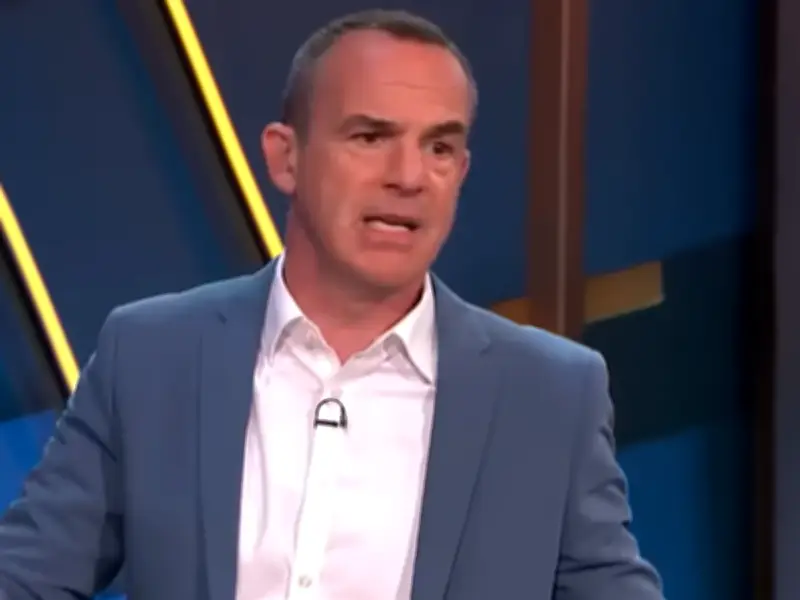
Martin Lewis has issued an urgent warning to anyone planning to use their debit or credit card on holiday this summer, highlighting a 'sneaky fee' that could add 3% to every transaction. The personal finance expert explained on his BBC podcast that most banks and credit card companies charge a non-sterling exchange rate fee of around 3% when spending abroad.
The cost of using plastic abroad
Lewis illustrated the impact with a simple example: if you buy something worth £100 in euros, you will actually pay £103 due to the fee. He also noted that withdrawing cash from an overseas ATM can incur extra charges and interest, even if you pay off your credit card in full. Some debit cards also add additional costs for spending.
His golden rule is to obtain a specialist overseas credit or debit card that does not add the non-sterling exchange rate fee. 'If you buy something that costs £100 worth of euros or dollars, it will only cost you £100,' he said. 'The best of those don't have ATM fees either and some even give you cash back on your spending.'
Airport currency exchange warning
Lewis also warned against exchanging money at airports, ferry ports, or similar locations, calling them the 'worst place' due to poor rates and captive custom. He advised using travel exchange comparison sites online to find the best deal, combining both the exchange rate and any fees.
'You'll just say, 'I want £600 worth of dollars. Who's going to give me the most dollars for my £600?'' he said. Comparison sites can assess up to 50 or 60 providers, whereas waiting until you arrive overseas limits your options. If you have a specialist card, you can simply use an ATM abroad with no fees and get a near-perfect exchange rate.
The dynamic currency conversion trap
Lewis stressed that when paying by card in Europe, holidaymakers should always choose to pay in the local currency (euros) rather than pounds. This is because if you choose pounds, the merchant or ATM operator will do the conversion at a poor rate, typically adding 6-7%.
'They are desperate to persuade you to let them do the conversion because they make a lot of money from it,' he said. 'If you're in Europe and paying on a card, pay in euros. If you're in America, pay in dollars. If you're in Vietnam, pay in dong.'