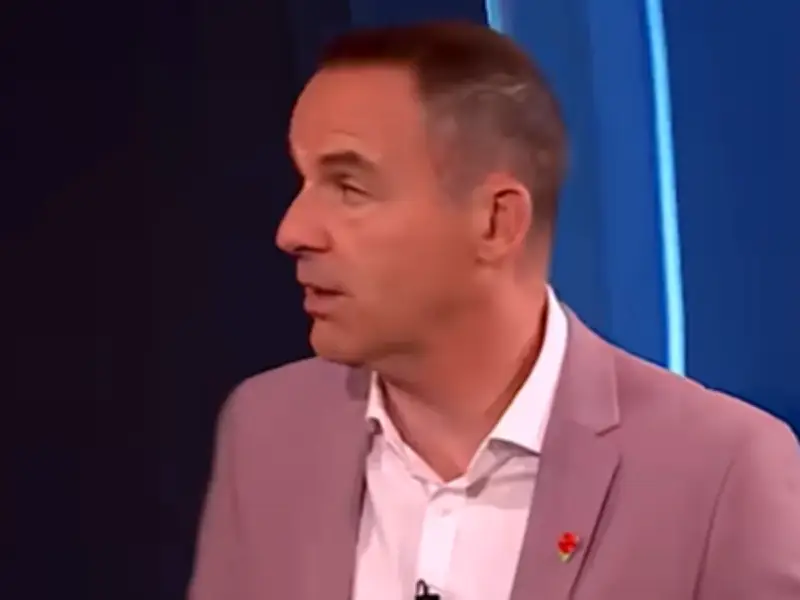
Martin Lewis has advised UK households to consider his 'one degree challenge' on thermostats, saying it could cut heating bills by up to 7%. The personal finance expert spoke as Britain experienced its chilliest days of autumn so far, with the Met Office forecasting snow and issuing yellow warnings.
One degree challenge explained
During his Money Show Live on ITV, Lewis urged households to experiment with lowering their thermostat. He said health officials advise setting it at 18C, but many Britons prefer it warmer.
Lewis said: "Take my one-degree challenge. It doesn't sound very much. The World Health Organization says for a healthy adult, you can set the thermostat at 18°. Most of you are far higher than that. Obviously, if you've got a medical condition or older people, you'll want it to be higher. But if you were to drop, say, from 21°C to 20°C, that could cut your heating bill by 7%."
Energy price cap context
The Ofgem Energy Price Cap currently stands at £1,723 per year for a typical dual-fuel household paying by Direct Debit (October 1 to December 31, 2026), a 4% (£60) rise from the previous quarter, driven largely by soaring Middle East wholesale gas prices.
Forecasts suggest substantial increases are on the horizon for early 2027, with the cap potentially surging by approximately 27% to 29%, pushing the typical annual bill towards £2,187 to £2,215 from January 2027 onwards if wholesale pressures continue.
Heating schedules and thermal mass
Lewis also discussed the debate over whether to keep heating running all day at a lower setting or use it during specific periods. He referenced Energy Savings Trust guidelines: heating on from 7am to 9am in the morning and from 4pm to 11pm at night, for people who go out to work during the day.
Speaking with Prof Richard Fitton, Technical Director of Energy House Labs, Lewis noted that the right approach depends on the building type. A heavyweight house with lots of thermal mass, such as a solid brick Victorian terrace, will store heat like a battery, while a lightweight modern house made of timber frame will heat up quickly but not necessarily store the heat. Prof Fitton confirmed that for the former, having the heating on low all day could be an easier challenge.