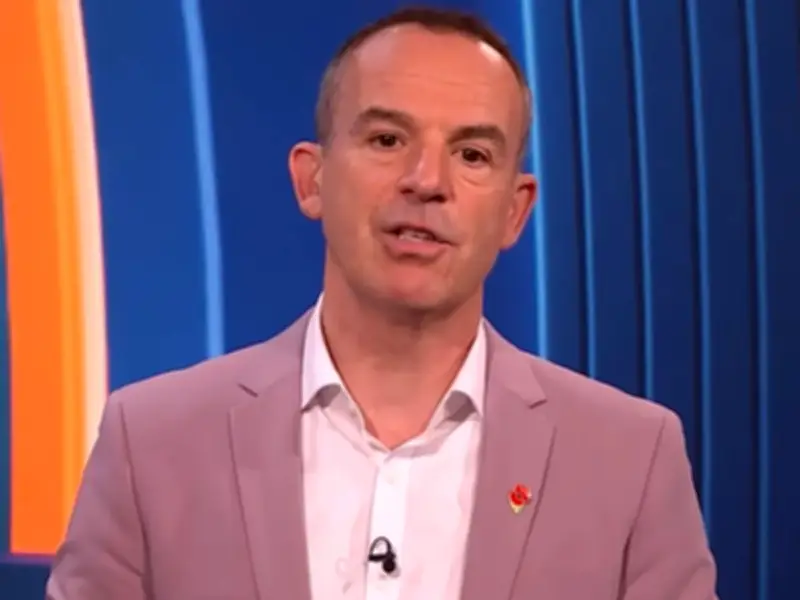
Martin Lewis has shared a simple checklist for maintaining radiators to keep homes energy-efficient, highlighting a 99p item that can help UK households. On a recent episode of his ITV money show, he advised that radiators which are not warm throughout or make gurgling noises need to be bled to remove trapped air.
Bleeding radiators is a quick, money-saving habit recommended by Lewis and his MoneySavingExpert team to stop central heating from wasting energy on trapped air. He stressed that radiators must be turned off first to avoid scalding with hot water.
Why bleeding radiators saves money
Lewis told viewers: "If you've got radiators, walk around the house, the rooms you're not using - that's what the knobs are for. Turn them down. If they're not warm all the way through, they're making gurgling noises. You need to bleed them. Get the water out and reset them, but make sure they're turned off first, so you're not going to scold yourself."
Bleeding radiators can cut energy bills by preventing the boiler from burning extra fuel to compensate for cold spots. Industry estimates suggest unbled radiators can waste around £100 over a single heating season in an average home, depending on property size and usage.
How trapped air affects heating
When air gets stuck inside a central heating system, it acts as an insulator and blocks hot water from circulating properly. The trapped air rises to the top of the radiator, leaving the top cold and the bottom warm. Removing the air lets hot water fill the entire panel, eliminating cold spots, helping rooms heat up faster, and preventing the boiler from wasting energy.
Tools for bleeding radiators
The standard and safest tool is a square-socket radiator bleed key, which fits over the valve pin at the top of a radiator. Lewis does not mention a specific tool, but the most common is a brass radiator bleed key, a small wing-shaped metal key with a square socket for standard UK radiator valves.
These keys are typically available for a couple of pounds at local DIY shops, hardware stores, or supermarkets. Screwfix sells a Radiator Valve Key for 99p. Screwfix says: "Using a radiator key to help keep radiators in good working condition by removing air, can help your home's heating to work efficiently."
Wickes sells a Primaflow Brass Clock Type Radiator Key for £1.15, noting the key's "distinctive clock-type shape provides a comfortable and secure grip for easy turning, making radiator bleeding a straightforward task".
Alternatively, a flat-head screwdriver can be used. Many modern radiators have a small slot across the centre of the bleed valve pin, which a standard flat-head screwdriver can turn easily without a key.
Step-by-step bleeding guide
- Turn off the heating and wait for radiators to cool completely to avoid scalding.
- Locate the bleed valve, usually a small square-headed spindle at the top corner of the radiator.
- Hold a small towel, rag, or container underneath the valve to catch drips.
- Fit the radiator key over the square metal pin.
- Turn the key about a quarter to a half-turn anti-clockwise; a hiss indicates trapped air escaping.
- Once water starts spitting or streaming out steadily, turn the key clockwise to close the valve, without overtightening.
- Check the boiler pressure, ideally around 1-1.5 bar, and top it up via the filling loop if needed.
Lewis also suggests turning down unused rooms, closing curtains at dusk, and using budget-friendly add-ons. Lower the thermostat or turn down thermostatic radiator valves (TRVs) in unused rooms, keeping them on a low/frost setting to prevent frozen pipes. Draw curtains as soon as the sun goes down, ensuring they sit in front of the windowsill rather than over the radiator. Use reflective foil or inexpensive radiator heat reflectors on external walls to bounce warmth back into the room.