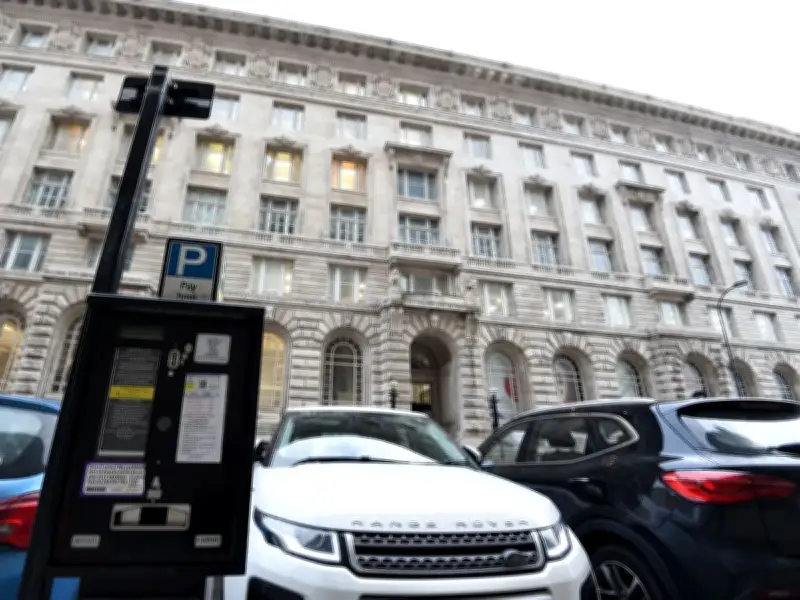
Liverpool Council has made more than £1m in additional revenue since it scrapped free late-night parking in the city centre. In July last year, it was finally confirmed that parking charges would be extended in the heart of town until 11pm after a lengthy delay.
Despite almost 90% of people indicating they were against the move, councillors pressed ahead with the change, arguing it would standardise parking across the city centre. The plan was first mooted in 2022.
New figures reveal financial impact
New details obtained by a business group attempting to have the charges scrapped have shed light on the financial impact they have had. Last summer, signage and parking meters were updated across the city centre to reflect the changes to the controlled parking zone (CPZ).
From July 1 last year to June 30, more than 143,000 tickets were purchased by drivers within the CPZ since it was changed from 6pm to 11pm. A Freedom of Information request by the Liverpool Business Leaders group to the city council revealed an estimated £1.1m from parking that were wholly or partially within the new chargeable period.
According to the local authority, this figure is based on the tariffs that were applicable at the time of the transaction where the individual parked either in the inner or outer CPZ. In the period between 6pm and 7am, £801,000 was generated in new revenue alone.
Background and legal challenge
A review of the CPZ around the city centre was first carried out in 2018. An initial informal public consultation was held in February 2022, after which proposals were revised and a statutory consultation undertaken between July and August 2023.
A legal challenge was launched in June to have the charges overturned, which the city council had initially sought to have thrown out before backing down in August.
Council defends the charges
A spokesperson for Liverpool Business Leaders said: “The council has confirmed that charging people to park in Liverpool after 6pm has raised an estimated £1.14 million in additional revenue.”
“The question now is how much of that is surplus, and what the council is doing with it. Parking charges should serve a clear transport purpose. They should not become a quiet way of extracting money from people who come into the city to eat, shop, see a show or work an evening shift. If the council believes these charges are necessary, it should publish the full figures: the cost of running the scheme, the net income it produces and the evidence that it has not damaged Liverpool’s evening economy. Businesses and residents deserve to see the calculation.”
A Liverpool Council spokesperson said: “The changes to Liverpool’s city centre controlled parking zone were introduced in response to the city’s significant growth in recent years. The expansion of the night-time economy has increased demand for parking, creating pressures on available spaces and contributing to congestion, unsafe parking and reduced access for residents, visitors and businesses.
“Income generated from on-street parking and parking charge notices is reinvested into the city’s transport and highways network, helping to maintain and improve essential infrastructure used by millions of people every year. This funding supports highway maintenance, technology upgrades and the continued operation of parking and traffic management services across Liverpool.”
“It has also enabled us to strengthen enforcement activity, including the recruitment of an additional 62 enforcement officers who help tackle inconsiderate and dangerous parking in communities across the city.”