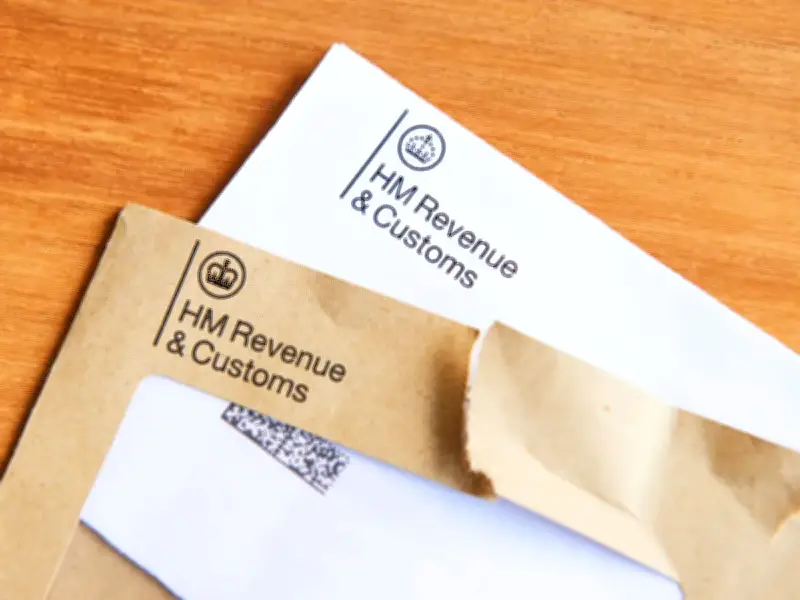
HM Revenue and Customs (HMRC) has issued guidance for people who could receive a second tax bill for the same tax year after new information about their savings is received.
From late September, HMRC is starting to issue P800 tax calculations and PA302 Simple Assessment notices for tax owed on interest earned from banks and building societies between April 2025 and April 2026. However, some taxpayers may already have received a Simple Assessment for the 2025/26 tax year which did not include their savings interest.
HMRC said these people could now receive a second Simple Assessment once information about their interest is received from banks and building societies.
Why people could receive a second HMRC tax bill
Banks and building societies provide HMRC with information about the interest paid to their customers each year. If HMRC subsequently receives savings information that was not included in someone's original Simple Assessment, it can issue another notice taking the additional tax into account.
HMRC said: "Some customers may have already received a Simple Assessment for the 2025 to 2026 tax year that did not include either their bank or building society interest. If HMRC subsequently receives information about interest, these customers may receive a second Simple Assessment notice for the same tax year which takes this into account."
HMRC expects to issue around 1.8 million Simple Assessment letters for the 2025/26 tax year. Working-age taxpayers began receiving the notices from June 30 and letters to pensioners started from August 12. HMRC previously confirmed a second tranche would be sent between October and December relating specifically to bank and building society interest data.
Check how much you have already paid
Anyone receiving a second Simple Assessment should check it against their previous notice and records of any payment they have already made. HMRC's latest guidance makes clear that the second notice will show the total amount of tax due for 2025/26, rather than simply the additional amount resulting from the newly reported savings interest.
If someone has already paid all or part of the amount included on their first notice, that payment should therefore be deducted when working out the outstanding balance. People taxed through PAYE may not need to make a separate payment. HMRC said that where possible, an underpayment can instead be recovered by changing the person's tax code.
If HMRC cannot collect the tax through PAYE, or the amount owed is more than £3,000, the taxpayer may receive a Simple Assessment explaining how much they owe and why.
What if the HMRC bill is wrong?
People should also check that the savings information included in their assessment is correct. HMRC said figures shown on tax documents and bank statements can sometimes differ because some interest may be covered by tax-free allowances, only taxable interest will appear in tax codes and the department can use estimates based on recent information.
Most people have a Personal Savings Allowance, although the amount depends on their Income Tax band. HMRC said anyone who believes their Simple Assessment is incorrect must formally query it by telephone or in writing within 60 days of the date on the letter.
Simple Assessment is used by HMRC to collect Income Tax that has not been collected through PAYE or Self Assessment. People receiving one should check the figures carefully and pay any outstanding tax by the deadline shown on their notice.