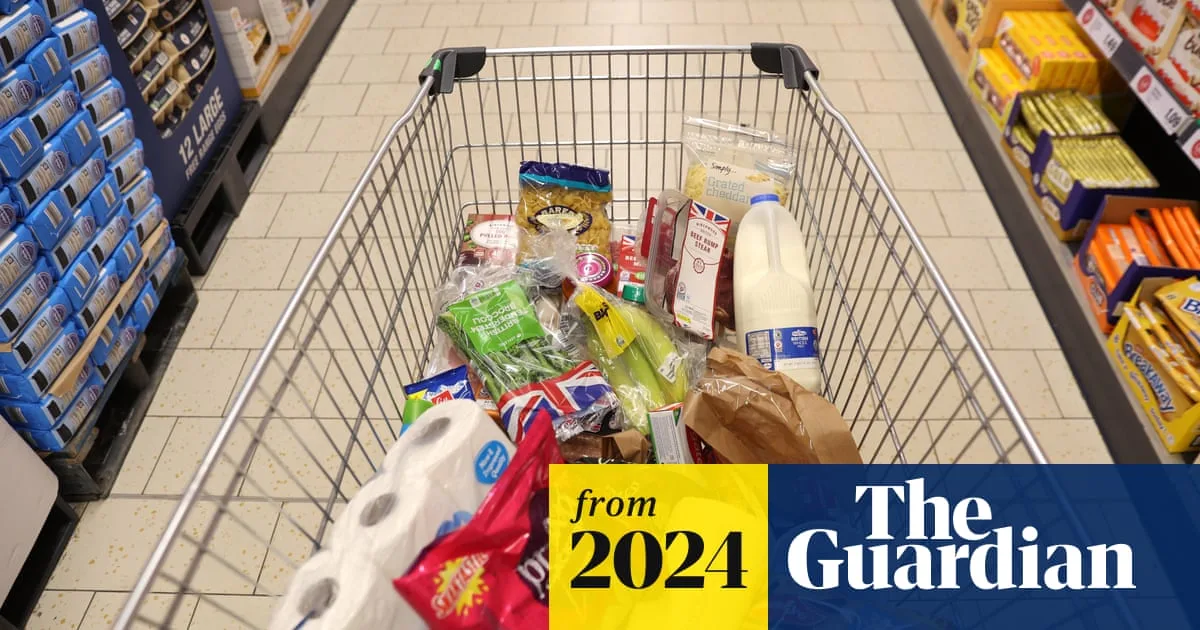
Grocery price inflation in Great Britain has fallen to 3.2%, its lowest level since November 2021, according to retail analysts Kantar. The decline in the four weeks to 14 April marks the 14th consecutive monthly drop, driven by falling prices for items such as toilet rolls, butter and milk, along with a surge in promotional spending.
Promotional deals accounted for 29% of supermarket sales, the highest proportion outside the Christmas period since June 2021. This helped shoppers save £1.3bn over the four weeks, equivalent to £46 per household. Fraser McKevitt, head of retail and consumer insight at Worldpanel by Kantar, said retailers had responded to consumers' desire for value, with steady growth in promotions over the past 11 months.
Despite an early Easter, seasonal sales were strong. Confectionery spending topped £100m for the first time in the seven days up to and including Easter Sunday. The number of chocolate eggs sold was 3% higher than last year, with 37% of consumers buying one, while hot-cross buns were enjoyed by 45% of Britons. The trend towards snacking has grown over the past decade, with chocolate consumption increasing by 93m occasions between 2013 and 2023, and fruit snacks rising by 314m.
Among retailers, Ocado was the fastest-growing grocer with sales up 12.5%, while online sales reached a 12% share of the market for the first time since July 2022. Tesco and Sainsbury's gained market share to 27.4% and 15.3% respectively, with sales increases of 5.9% and 6.8%. Lidl achieved a record 8% share, and Aldi reclaimed 10%. Morrisons held steady at 8.7%, while Waitrose and Iceland retained 4.5% and 2.2% respectively.