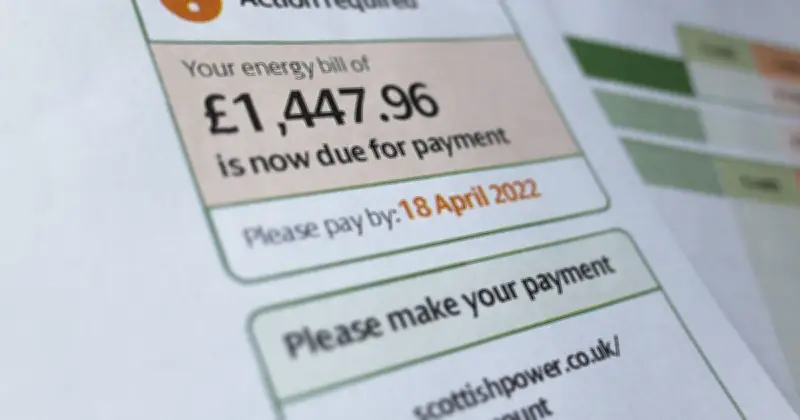
The energy price cap has increased to £1,862 per year for a typical household paying by direct debit in England, Scotland, and Wales, effective July 1, 2026. According to the consumer champion Which?, many households will feel the impact of this rise, which adds £221 annually.
Why the Price Cap Has Risen
Ofgem, the energy regulator, attributes much of the increase to the war in the Middle East, which has driven up global oil and gas prices. Additionally, government decisions to shift some environmental policy costs from electricity bills onto gas bills have contributed to the rise.
Expert Advice: Never Assume
Sarah Ingrams, who leads energy content at Which? and has over a decade of experience in consumer affairs, urges households not to assume that a big energy provider guarantees better customer service. She notes that British Gas, EDF Energy, E.on Next, Octopus Energy, Ovo Energy, and Scottish Power supply gas and electricity to around 92% of households in Great Britain, according to Ofgem.
Ingrams writes: "Our research finds big differences between the quality of their customer service, whether customers consider them to be good value for money and the extent to which their practices are in the best interests of customers." She advises regularly comparing options to ensure the best value.
Key Checks Before Switching
Before committing to any deal, Which? recommends checking the following:
- Exit fees – how much they cost
- Length of tariff – usually 12, 18, or 24 months
- How direct debit works – fixed monthly amount or variable based on usage
- Warm Home Discount – if eligible, will a new supplier pay it? Some smaller suppliers are not included in the scheme
- Solar Export Payments – some providers offer preferential rates; switching may cause loss of a rate or gain a better one
- Peak and off-peak times – for 'time of use' tariffs, ensure you know the time slots
Set Reminders for Fixed Deals
Ingrams also advises setting reminders for when a fixed deal ends. She explains: "If you signed up to a fixed deal, it's likely to be 12, 18 or 24 months long. When your contract ends, you'll automatically move onto your provider's out-of-contract or default tariff if you take no action."
Default tariffs are set by the energy price cap and change every three months. They rose by 13% on July 1 and are expected to remain high when the cap is next adjusted in October. Suppliers must remind customers 49 days before their fixed tariff ends. Ingrams notes: "You can actually switch, without paying any exit fees, in the last 49 days of your tariff."