
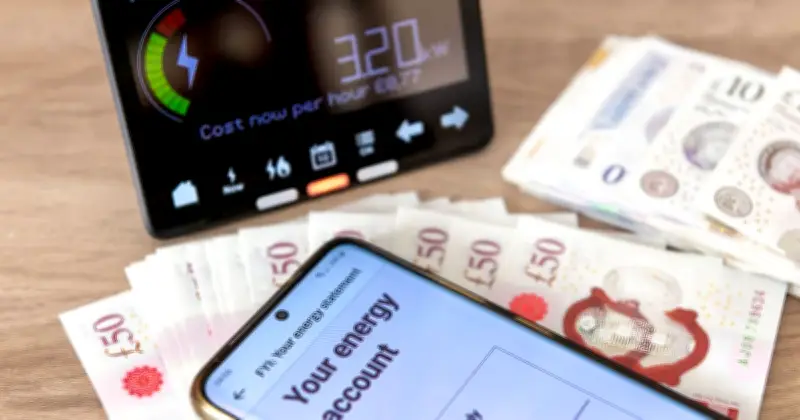
UK households can reduce their energy bills with eight key steps, an appliance repair expert says. The advice comes as the energy regulator Ofgem announced a 4% increase of the energy price cap for the period covering October 1 to December 31, 2026. Based on the energy use of a typical domestic household, the price cap will rise by £60 per year (or £5 per month) to £1,723 for the average household using both electricity and gas if this level was sustained for a year.
The increased cap, which protects around 22 million households on default tariffs by limiting the maximum rates and standing charges that energy suppliers can charge, reflected higher wholesale gas prices as a result of the ongoing conflict in the Middle East, with volatile global gas markets remaining the dominant driver of price changes, the watchdog said.
Turn off 'vampire devices'
Ian Palmer-Smith, appliance repair expert at Domestic & General, shared eight ways to cut down on energy usage with small changes around the home. The first important consideration he flagged is keeping an eye on "vampire devices" around the home. He said: "To ease energy bills, it is important to turn off most key household appliances when not in use. Some think that simply turning them off is sufficient, but there are many electrical products that continue to use power when left plugged in - these are often called 'vampire devices'."
The most common appliances that fall under this include washing machines, dishwashers, tumble dryers, TVs, microwaves, game consoles, computer monitors, printers, coffee machines, and kettles. He added: "Some vampire devices can benefit from standby savers, or energy-saving plugs, that work with a remote control. The device blocks power from moving through the socket to the appliance. So, they're handy if your sockets are in hard-to-reach places. Any appliance that's still switched on or that stays plugged into a live socket, is using an electric current. Even in sleep or standby modes, some items continue to use energy for updates, connecting to remote servers, and recording data. The only way to ensure you're not using any energy is to turn it off at the plug – or pull it out."
Choose dishwasher over handwashing
Mr Palmer-Smith says washing dishes by hand is not more energy efficient than using a dishwasher, and you don't need to give your kitchenware a rinse beforehand, saying it's "one of the biggest dishwasher myths". He added: "In reality, this uses extra unnecessary hot water and typically won't improve the results. Modern dishwashers use high temperatures designed to break down stubborn stains with little trouble so pre-rinsing plates is a bit like hand washing your car before taking it to the car wash. However, if you have a pan with some burnt-on food residue it can be a good idea to give it a soak beforehand. Not scraping away any food before putting items in the dishwasher can cause clogs and eventually need a dishwasher repair. Even without pre-rinsing, dishwashers generally use less hot water than hand washing. On average, a dishwasher uses water four times more efficiently than washing by hand so if you are running a load when the appliance is full, this can actually ease your energy bills more than most think."
Replace outdated appliances and adjust laundry habits
The third tip is to replace any old inefficient appliances around the home, which Mr Palmer-Smith says are "often a big culprit when it comes to reduced energy-efficiency". He added: "Consider investing in new household appliances that already use a large amount of energy, such as dishwashers, fridge freezers, and washing machines. Modern appliances come with an EPC (energy performance certificate) that allows you to understand usage. As a rule, anything above a C is a good choice when considering environmental impact. Not only that, but it will help you pay less on bills, making it a worthwhile investment."
The expert said lowering the temperature of laundry washes is a well-known tip for being more eco-friendly, but "the impact on energy output is more significant than many realise". He added: "Lowering temperatures to 30 degrees is thought to use around 40% less energy across the year compared to higher temperatures. Not only is it much more eco-friendly - and budget-friendly - to lower temperatures to 30 degrees, but most modern washing detergents work just as effectively in these conditions. Switching to a more effective detergent is a much more cost-effective way to remove stubborn stains than washing on higher heat."
One of the best ways to improve energy efficiency is to get your boiler serviced ahead of autumn, he continued. "Whilst it may seem like an avoidable cost, skipping a boiler service can lead to increased energy bills and a hefty price tag if it needs replacing earlier than expected. Having your boiler serviced annually is a great action to take to prevent boiler breakdowns, as well as improve its efficiency. It helps keep your boiler operating at maximum efficiency, consuming less fuel to generate the same amount of heat."
You may also be able to improve the efficiency of your boiler by lowering the flow temperature. However, always follow official guidance before making any changes as the advice differs depending on what kind of boiler you have.




