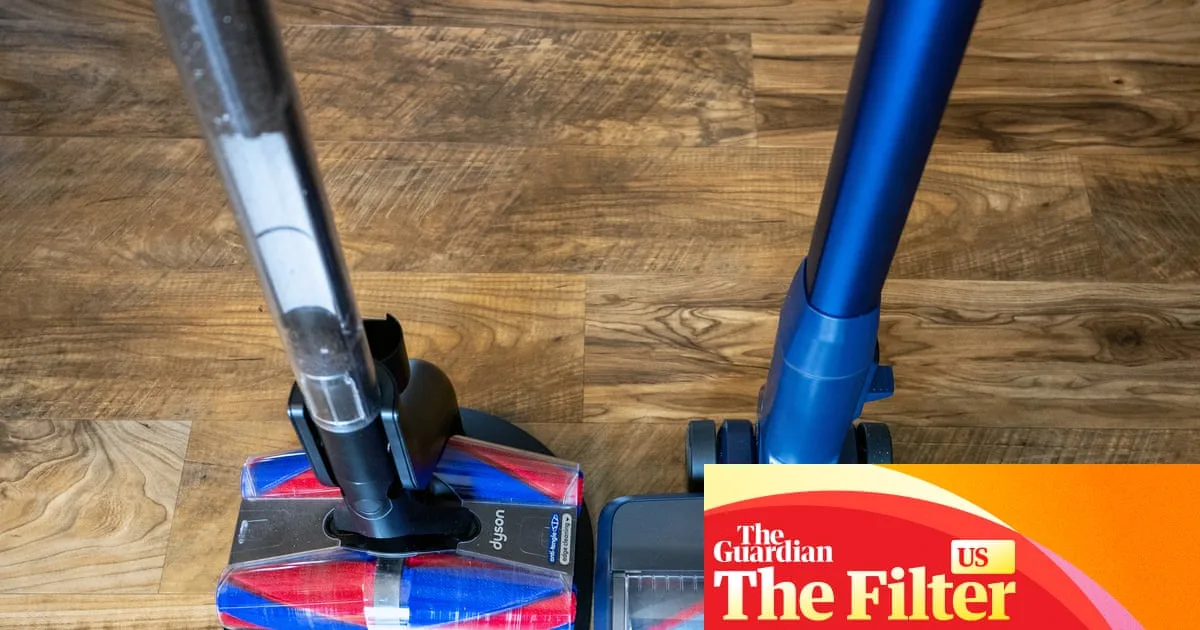
Dyson and Bissell Cordless Vacuum Cleaners: A Detailed Comparison
Dyson vs Bissell Cordless Vacuum Comparison

In the competitive world of home appliances, cordless vacuum cleaners have become essential tools for modern households, offering convenience and powerful cleaning without the hassle of cords. Two leading brands in this market are Dyson and Bissell, each with distinct features and technologies that cater to different consumer needs. This article provides a detailed comparison to help you make an informed decision when selecting a cordless vacuum cleaner.

Performance and Suction Power

Dyson is renowned for its high-performance suction technology, often incorporating advanced cyclone systems that capture fine dust and allergens effectively. Models like the Dyson V15 Detect boast laser dust detection and powerful motors, making them ideal for homes with pets or allergy sufferers. In contrast, Bissell focuses on versatile cleaning solutions, with cordless vacuums such as the Bissell IconPet offering strong suction and specialized pet hair tools. While Dyson may edge out in raw suction power, Bissell provides reliable performance at a more accessible price point.

Battery Life and Runtime

Battery life is a critical factor for cordless vacuums, as it determines how long you can clean without interruptions. Dyson models typically offer runtimes of up to 60 minutes on a single charge, depending on the power mode, with fast-charging capabilities. Bissell cordless vacuums, like the Bissell AirRam, often provide similar runtimes, around 40-50 minutes, but may have shorter charging times. Both brands include removable batteries in some models, allowing for extended cleaning sessions with spare batteries.

Wide Pickt banner — collaborative shopping lists app for Telegram, phone mockup with grocery list

Design and Maneuverability

Dyson vacuums are known for their sleek, ergonomic designs that make them easy to handle and store. Many Dyson models feature lightweight constructions and swivel heads for navigating around furniture and tight spaces. Bissell, on the other hand, emphasizes practicality with designs that include large dustbins and easy-to-empty mechanisms. The Bissell CrossWave, for example, combines vacuuming and mopping in one device, offering added versatility for hard floors.

Price and Value for Money

When it comes to pricing, Dyson cordless vacuums are generally positioned at a premium level, reflecting their advanced technology and brand reputation. Prices can range from £300 to over £600 for top-tier models. Bissell offers more budget-friendly options, with cordless vacuums often priced between £150 and £400, making them attractive for cost-conscious consumers. Both brands provide good value, but your choice may depend on whether you prioritize cutting-edge features or affordability.

Additional Features and Accessories

Dyson often includes innovative features such as HEPA filtration, digital displays, and a variety of attachments for different surfaces. Bissell focuses on user-friendly additions like washable filters, multi-surface brushes, and pet-specific tools. It's important to consider which accessories align with your cleaning habits, such as whether you need a crevice tool for upholstery or a motorized brush for carpets.

In summary, both Dyson and Bissell offer compelling cordless vacuum cleaners with strengths in different areas. Dyson excels in high-performance suction and advanced technology, while Bissell provides reliable cleaning at a more affordable price. By evaluating factors like performance, battery life, design, and cost, you can select the best cordless vacuum to keep your home spotless and efficient.

Pickt after-article banner — collaborative shopping lists app with family illustration