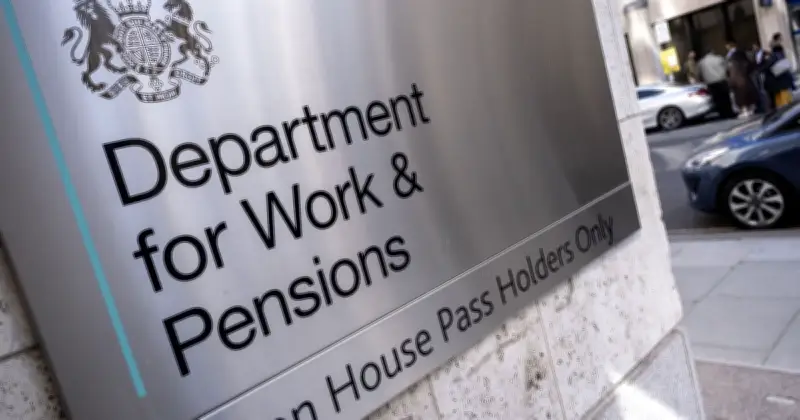
The Department for Work and Pensions (DWP) has announced new proposals aimed at unlocking billions of pounds in surpluses from defined benefit (DB) pension schemes. The announcement, made on Wednesday, June 10, outlines a framework for safely releasing surplus funds to benefit scheme members, employers, and the wider economy.
What Are Defined Benefit Pension Schemes?
DB pension schemes, also known as final salary or career average schemes, are workplace pensions arranged by employers. Unlike defined contribution (DC) schemes, the amount received is based on salary and years of membership rather than investment returns. These schemes provide a regular income for life, typically in monthly payments, and rise with inflation, offering protection against cost-of-living increases.
Current Financial Position
The government stated that funding levels for DB pension schemes are at their strongest ever, with the number of schemes in surplus quadrupling over the last five years. For most schemes, assets now exceed the value of promised pension benefits.
New Proposals
Minister for Pensions Torsten Bell has launched a consultation setting out plans to give trustees the flexibility to release surplus funds. The proposals include strong protections for members, such as independent certification that scheme funding will remain strong after any surplus release. Changes to tax law will also make it easier for schemes to pass benefits to members.
Bell said: "The steady world of DB pensions has seen a huge change take place. For the first time in a generation, DB pension schemes are in a genuinely strong financial position – with the vast majority of schemes now having a surplus. This is something well worth celebrating. Now is the time to give trustees the option of safely translating some of those surpluses into real benefits for members and employers."
Timeline
The consultation opened on June 10 and will accept comments until September 2, 2026. The government expects the new regime to be in place from April 2027.