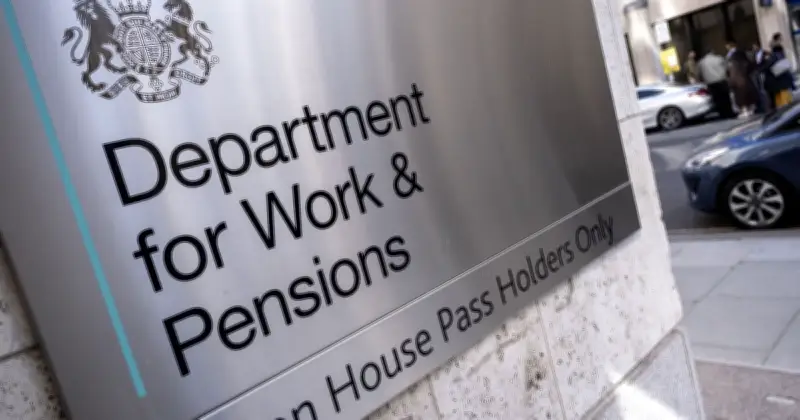
People living with a health condition or disability could be entitled to payments of up to £145.90 a week through Employment and Support Allowance (ESA). The Department for Work and Pensions (DWP) provides ESA to people whose disability or health condition affects how much they are able to work.
The benefit can provide help with living costs, while those who are able to return to employment can also receive support to get back into work.
How eligibility is determined
Whether someone qualifies is not decided simply by having a particular diagnosis. A Work Capability Assessment can be used to look at how a person's condition affects their ability to carry out everyday activities and work.
Applicants for New Style ESA must generally be under State Pension age and have a disability or health condition that affects how much they can work. They will also usually need to have worked as an employee or been self-employed and paid enough National Insurance contributions, usually during the previous two to three years.
Payment rates and assessment groups
The amount of money someone can receive depends on their circumstances and what stage their ESA claim has reached. While a claim is being assessed, people will normally receive an assessment rate for 13 weeks. This is worth up to £75.65 a week for someone aged under 25 and up to £95.55 for those aged 25 or over.
If an assessment takes longer than 13 weeks, the assessment rate will continue until a decision is made or the ESA claim is due to end. Any additional money owed following the 13-week period will be backdated.
After being assessed, eligible claimants are placed into one of two groups. Those considered able to return to work in the future are placed in the work-related activity group and can receive up to £95.55 a week. People placed in the support group can receive up to £145.90 a week. Those who are nearing the end of life will also be placed in the support group. ESA is normally paid every two weeks.
How other income affects payments
The amount received can also be affected by other income. For New Style ESA, payments can be reduced if someone receives more than £85 a week from a private pension. Half of any private pension income above £85 is deducted from their weekly ESA payment. For example, someone receiving £100 a week from a private pension would have £7.50 taken from their weekly ESA. A sufficiently high private pension could mean no ESA payment is made, although the claimant could still receive Class 1 National Insurance credits.
Health conditions covered
Government ESA statistics group claimants' main health conditions into a number of broad categories. These include: certain infectious and parasitic diseases; neoplasms; diseases of the blood and blood-forming organs and certain disorders involving the immune mechanism; endocrine, nutritional and metabolic diseases; mental and behavioural disorders; diseases of the nervous system; diseases of the eye and adnexa; diseases of the ear and mastoid process; diseases of the circulatory system; diseases of the respiratory system; diseases of the digestive system; diseases of the skin and subcutaneous tissue; diseases of the musculoskeletal system and connective tissue; diseases of the genitourinary system; pregnancy, childbirth and the puerperium; certain conditions originating in the perinatal period; congenital malformations, deformations and chromosomal abnormalities; symptoms, signs and abnormal clinical and laboratory findings, not elsewhere classified; injury, poisoning and certain other consequences of external causes; external causes of morbidity and mortality; factors influencing health status and contact with health services; and codes for special purposes.
Having a condition falling within one of these categories does not, by itself, mean someone will receive ESA or the maximum £145.90 rate. Eligibility and the amount paid depend on the claimant's individual circumstances and the outcome of their assessment.
People receiving New Style ESA also earn Class 1 National Insurance credits, which can count towards their State Pension and some other benefits in the future. The DWP says people may also be able to receive Universal Credit alongside or instead of New Style ESA, depending on their circumstances. Those with a long-term health condition or disability may also be eligible for other support, such as Personal Independence Payment.