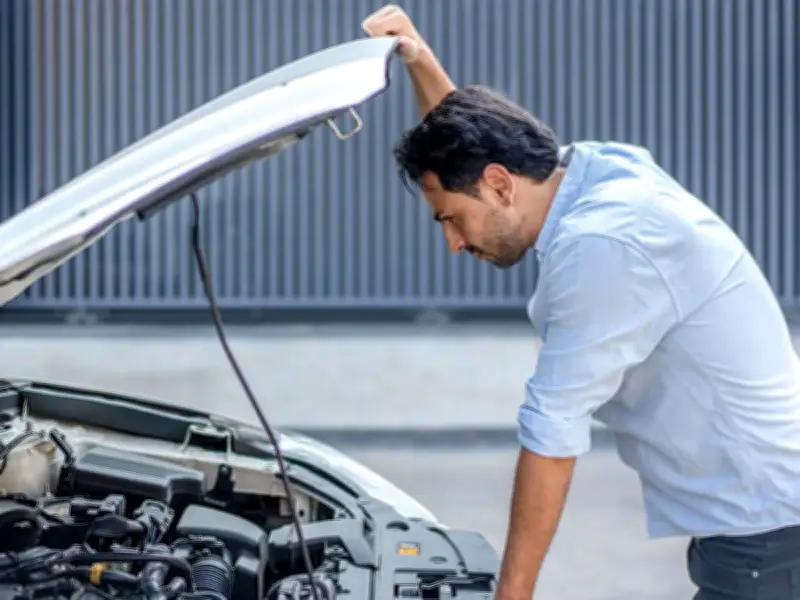
Motorists are being urged to keep a close eye on their vehicles to avoid an unexpected bill. Regular car checks are essential, or drivers could fall foul of certain rules in the Highway Code.
Experts at loans provider Creditspring have warned that many motorists are not putting aside enough funds should their vehicles need repairs. Consumer finance expert Tamsin Powell said: "A car that is not roadworthy can pose a safety risk, and the Highway Code notes that some vehicle defects can attract penalty points. Keeping on top of maintenance can therefore help avoid both an unexpected repair bill and potentially more serious consequences."
Research reveals repair costs
Research from the group found that the average unplanned car repair can set you back £700, yet four in 10 drivers said they couldn't afford a bill of more than £249 without slashing their spending elsewhere. These hard-up motorists may have to make drastic changes to their wider finances to find the extra £450.
Ms Powell told drivers that there are several things to think about when they get behind the wheel. She said: "The Highway Code says your vehicle must be roadworthy, so drivers need to take care of the basics rather than waiting for an MOT to flag a problem." Looking at Annex 6 of the Highway Code, motorists are given a list of items to keep on top of.
Highway Code rules
The manual instructs motorists: "Take special care that lights, brakes, steering, exhaust system, seat belts, demisters, wipers, washers and any audible warning systems are all working." Also:
- Lights, indicators, reflectors, and number plates MUST be kept clean and clear
- Windscreens and windows MUST be kept clean and free from obstructions to vision
- Lights MUST be properly adjusted to prevent dazzling other road users. Extra attention needs to be paid to this if the vehicle is heavily loaded
- Exhaust emissions MUST NOT exceed prescribed levels
- Ensure your seat, seat belt, head restraint and mirrors are adjusted correctly before you drive
- Ensure that items of luggage are securely stowed.
Key area
Ms Powell pointed to some other key things that you must keep in working order. She said: "Tyres are another key area. They must be correctly inflated to the vehicle manufacturer's specification and free from certain cuts and defects, with cars requiring a minimum tread depth of 1.6mm across the central three-quarters of the tread and around the entire circumference. Keeping tyres correctly inflated can also improve fuel efficiency and help them wear more evenly, helping drivers get more from both their fuel and their tyres."
The Highway Code explains: "Tyres MUST be correctly inflated to the vehicle manufacturer’s specification for the load being carried. Always refer to the vehicle’s handbook or data. Tyres should also be free from certain cuts and other defects."
Motorists are instructed to check their tyre pressures weekly, and to do this before your journey, when the tyres are cold. If you do it while the tyres are hot, you may get a misleading reading. Other obligations to note are you should regularly check your fluid levels and have a good understanding of all the warning displays on the dashboard.
Counting the cost
Ms Powell was asked how best to build up an emergency pot for any vehicle repairs if your coffers are running dry. She said: "There is no magic figure that will cover every possible repair, but drivers should aim to build a separate vehicle emergency pot that could cover a typical unexpected repair."
For anyone who cannot afford to put hundreds of pounds aside immediately, the important thing is to start small and build gradually. Putting a realistic amount into a separate vehicle pot each month can give you more options when something goes wrong. If you do not need to use it, you can leave the money there and build the buffer over time.
Aside from your emergency piggy bank, Ms Powell also encouraged people to budget for standard costs, such as your insurance, MOT and road tax. She said: "Setting aside money for these known costs can help ensure the emergency pot is available when you actually need it."
If you need to borrow some cash to pay for a repair, she said it's important to know how you will repay this. Ms Powell said: "If you do need to borrow to pay for a repair, make sure you know how much you'll repay overall and whether the repayments are manageable alongside your other bills. You don't want an unexpected car repair to put even more pressure on your finances further down the line."