Soaring Coffee Prices Force Americans to Alter Daily Rituals and Habits
Rising coffee prices are fundamentally transforming how many Americans obtain their daily caffeine fix, leading to significant changes in long-standing routines and consumption patterns.
Shifting Consumer Behaviors Amidst Price Hikes
For years, Chandra Donelson, a 35-year-old from Washington, D.C., indulged in a morning coffee ritual, starting with McDonald's cups loaded with sugars and creams and later transitioning to Starbucks caramel macchiatos. However, dismayed by escalating costs, she made the drastic decision to give up coffee entirely. "I did that daily for years. I loved it. That was just my routine," she explains. "And now it's not."
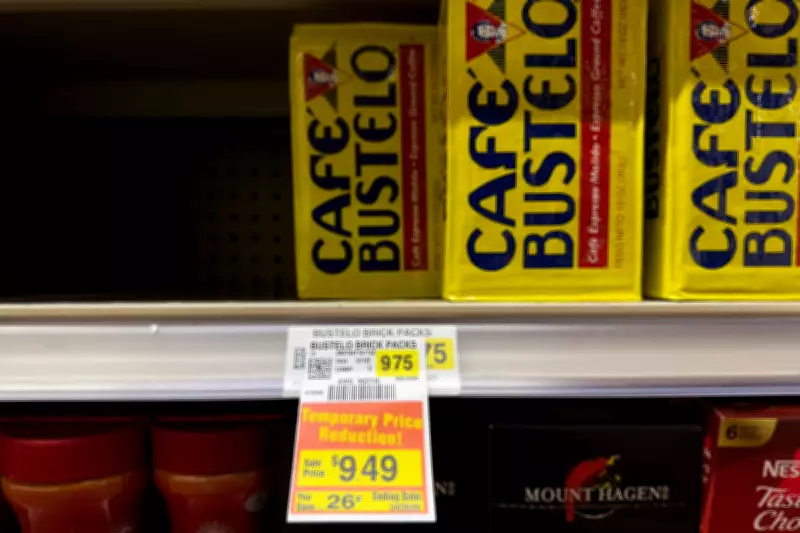
This sentiment echoes across the nation, as years of steadily climbing coffee prices compel enthusiasts to rethink their habits. Many are eliminating café visits, opting for more affordable brews, or abandoning coffee altogether. According to the latest Consumer Price Index released on Friday, coffee prices in the U.S. surged by 18.3% in January compared to the previous year. Over a five-year span, government data indicates a staggering 47% increase in coffee costs.

Personal Stories of Adaptation and Sacrifice
The extraordinary price rise has driven individuals to adopt extraordinary measures. Liz Sweeney, a 50-year-old from Boise, Idaho, once considered herself a "coffee addict" who couldn't imagine navigating her day without multiple cups. "Before, I thought, 'There's no way I could make it through my day without coffee,'" she recalls. "Now my car's not on automatic pilot."
As prices escalated last year, Sweeney eliminated coffee shop stops and reduced her home consumption to just one cup daily. To compensate for the lost caffeine, she now drinks Diet Coke at home or occasionally visits McDonald's for a soda. Similarly, Dan DeBaun, a 34-year-old from Minnetonka, Minnesota, has curtailed his café visits due to financial pressures as he and his wife save for a house. "What used to be a $2 coffee, it's now $5, $6," he notes, explaining that he now purchases ground coffee from Trader Joe's and brings a travel mug to the office.
Economic Data and Global Factors Driving Costs
Data from Toast, a payment platform utilized by over 150,000 restaurants, reveals that the median price for a regular hot coffee in the U.S. climbed to $3.61 by December, with cold brews averaging $5.55, though prices vary widely by location. Virtually all coffee consumed in the U.S. is imported, and while tariffs briefly affected some imports in 2025, they were ultimately removed. Climate-related challenges, including drought in Vietnam, heavy rainfall in Indonesia, and hot, dry conditions in Brazil, are primarily blamed for reducing coffee crop yields and driving up global prices.
Broader Trends in Coffee Consumption and Alternatives
According to the National Coffee Association, two-thirds of Americans drink coffee daily, and for many, it remains an indispensable part of their routine, leading to mere grumbling despite soaring costs. Surveys indicate that overall coffee consumption is broadly holding steady despite price hikes. However, squeezed by rising expenses for essentials like rent and food, some consumers are radically altering their habits.
Sharon Cooksey, a 55-year-old from Greensboro, North Carolina, used to visit Starbucks most weekday mornings for a caramel latte until she scaled back last year. Initially, she switched to brewing Starbucks at home, but then discovered Lavazza coffee, which was about 40% cheaper. "I can buy a bag of coffee for $6?" she exclaimed. "It was like I had just discovered another world. The multiverse opened up to me in the coffee aisle of Publix."
While Cooksey misses the social interactions at cafés, where baristas knew her by name, she has found that she actually prefers the taste of her homemade coffee. A bag of beans lasting weeks costs her roughly the same as a single latte, making the switch financially sensible.

Long-Term Implications and Substitutions
Growing up, Chandra Donelson emulated her mother's daily coffee trips to McDonald's, maintaining the habit through college, her Air Force service, and her current role as a government data and AI strategist. However, a government shutdown last fall, which halted her paychecks, forced her to trim spending. Seeking a morning substitute, she settled on a Republic of Tea blend with honey, costing about twenty cents per cup compared to the $7 or $8 she previously spent. "The math just makes sense," she concludes.
This shift highlights how economic pressures are not only altering consumer behavior but also fostering exploration of alternatives, potentially reshaping the coffee industry landscape in the long term.