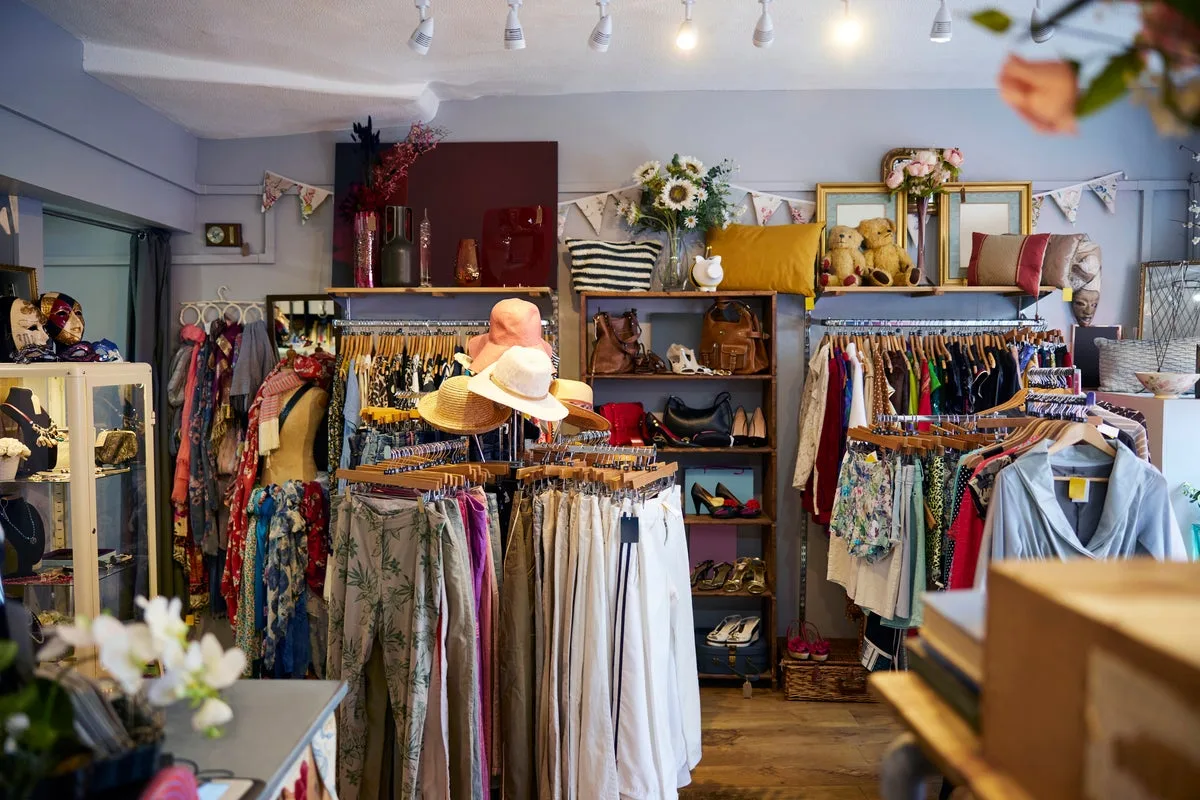
Charity Shop Donation Rules: Items That Will Be Rejected
Charity Shop Donation Rules: Items That Get Rejected

There is a genuinely rewarding feeling that comes from a thorough declutter, especially when you realise your unwanted belongings could help someone else through a charity shop donation. However, staff at one prominent store have confirmed the specific 'rules' that generous donors need to follow to ensure their contributions are valuable.

The Importance of Suitable Donations

Most people who lack the time or patience to resell items on platforms like Vinted or eBay often turn to charity shops as an alternative. Ignoring common charity shop guidelines, however, could mean your donation ends up being worthless and frankly better suited to the rubbish heap.

Gerry Golden, shop manager at Emmaus in Dover, emphasised: "Donations are very important. Without them, we wouldn't have a charity shop." Emmaus UK is a homelessness charity with branches across the country. Shopping through them gives items a "second life" while simultaneously funding a worthy cause.

Wide Pickt banner — collaborative shopping lists app for Telegram, phone mockup with grocery list

Key Questions to Ask Before Donating

When sorting through potential charity shop donations, Gerry advised: "You need to think 'will it sell? Is it useful? Can someone benefit from it?' If something strikes you as genuinely past it, trust your instincts."

People need to be conscious of what they're donating and whether it is suitable for reuse. "If not, with the greatest respect, please go to the tip with it," he added firmly.

What Charity Shops Typically Accept

Second-Hand Furniture in Demand

Many stores will accept furniture with open arms, even with minor cosmetic damage. Gerry explained: "People donate some very valuable furniture that's got a small chip in it, and there are a lot of customers now who do their own upcycling projects."

"We sell a lot of cheaper-end chests of drawers and tables, for £10, £15, £20, and people are doing them up. They love it." Most charity shops, however, aren't in a position to fix broken items. Some, such as Emmaus Dover, may have workshop facilities where minimal repairs can be made, but donors should always check before dropping an item off.

Clothing Forms the Backbone

Gerry claimed that "bric-a-brac sells," and in their location's case, it makes up "about 25% of total sales." He added: "People love walking around and seeing the bric-a-brac. Clothing is always welcome. And good-quality sofas, they always sell."

"Clothing is a big one, because we have a lot of people call us who are in need," he continued. "They'll say to us, 'What can you give us?' We'll always look after them." Clothing forms the backbone of most charity shops, but it's worth considering whether items are genuinely wearable before handing them over.

Items That Charity Shops Often Reject

Health and Safety Concerns

Not all charity shops accept furniture, and those that do typically require items to "have a fire label" unless they're pre-1950s. Gerry elaborated: "We don't want any missing parts, like if someone donates a sofa and it's got no legs. Glass has to have the kite mark, unless it's Victorian or something like that."

At Emmaus, staff won't accept any safety or large sports equipment "because of the health and safety risk." Not every charity shop takes electrical goods either, and some will have specific restrictions. Gerry noted that Emmaus, for example, won't accept printers or Sky boxes – but for items they do accept, they must be in working order.

Damaged Clothing Gets Repurposed

Heavily stained, torn, or threadbare garments won't make it onto the shop floor. Staff at charity shops sort through clothing donations and "we rag it, if it's damaged," Gerry explained. They bag up items that can't be sold and send them to an ethical rag company for reuse and recycling.

Seasonal Items Are Stored, Not Discarded

Gerry also urged people having a clear-out not to discard any out-of-season decorations like Christmas and Halloween items. Charity shops typically store seasonal items until they're required.

He said: "Any Christmas stuff that comes in, it goes in a big cage marked 'Christmas'. The same with Valentine's. We never throw away anything like that. We'll always keep it." This practice ensures that seasonal donations find appropriate homes rather than being wasted.

Pickt after-article banner — collaborative shopping lists app with family illustration