Council tax has become the cost of living crisis' biggest bill, with one council set to raise bills by a staggering 160%, or roughly £800 per household per year. Wandsworth Council, a Tory-run authority, has blamed the Labour government for cutting its central funding, according to reports this week.
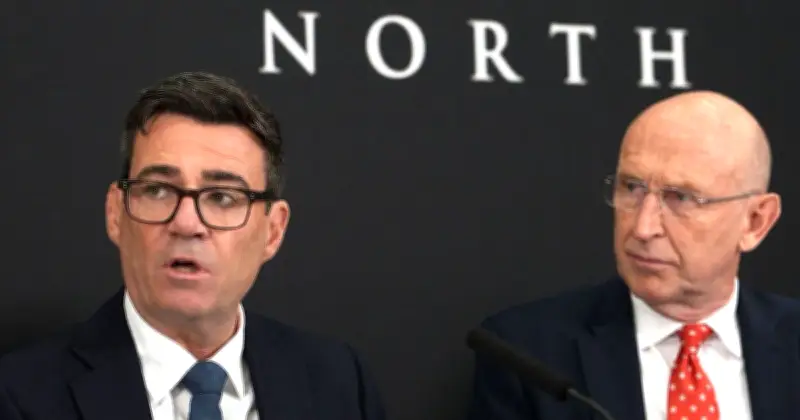
New Prime Minister Andy Burnham says he is serious about addressing the spiralling cost of living, but has so far backed away from this clear example of a runaway household bill that is "unfair, regressive and rarely rooted in reality", writes Deputy Audience Editor Alex Evans.
Political football between councils
This is exactly what happens with council tax under every government, the article argues. Funding is used as a football kicked between Labour and Tory areas, but there is no winner, only more losers.
When the Conservatives held central government, funding for Labour-voting areas was slashed. Sheffield Council, for example, lost more than £200M of central government funding in five years in the 2010s under the Tories, leading to years of services being gutted and council bills increasing.
Now Labour is in power, Tory councils see their budgets cut, forcing rises in council tax and likely services to be cut. The cycle will no doubt repeat again, as it has for years, as this fiscal-cum-political power struggle between central and local government swings back and forth.
Postcode lottery of bills
The system doesn't work, and years of this back and forth have led to completely unfair differences in bills depending on where you live - a real postcode lottery.
Analysis by Fairer Share shows a standard Band D property in Makerfield faces a council tax bill of £2,152 this year. This is more than twice the charge for residents in a Band D property in Westminster, who pay just £1,048.
Households living in £280,000 homes in Makerfield, the new PM's seat, pay more council tax than owners of £10million mansions in Westminster, the seat of power Mr Burnham says he wants to pivot away from with his 'No 10 in the North' project. The effective property tax rate on the Makerfield home is around 0.75%, compared with just 0.02% for the Westminster mansion.
Real families feel the strain
For the author's family of three with a four-bed semi in Leeds, council tax now makes up their single largest bill after the mortgage. When they moved in six years ago, their Band D bill was 'just' £180. Six years later, it's £229.
Those 5.99% annual increases quickly add up, and despite what's happened to the energy market, it has outpaced gas and electricity price rises. When they moved in, their gas and electricity was a mere £100, but today after many ups and downs, it sits at £175.
With energy, you can cut your bill by being more careful with usage, reducing unnecessary waste, switching to energy efficient bulbs and appliances and being thrifty. No matter what you do, your council tax bill will keep flying up and up.
Council tax has had its day. It's regressive, routinely fails to reflect the reality of a local area's financial needs or demands and is liable to political table tennis. These are real people's lives, not numbers to be pushed around to score political points - and if Messrs Burnham and Healey want to attack the cost of living crisis, they need to start with this most unbalanced and unfair of living costs.