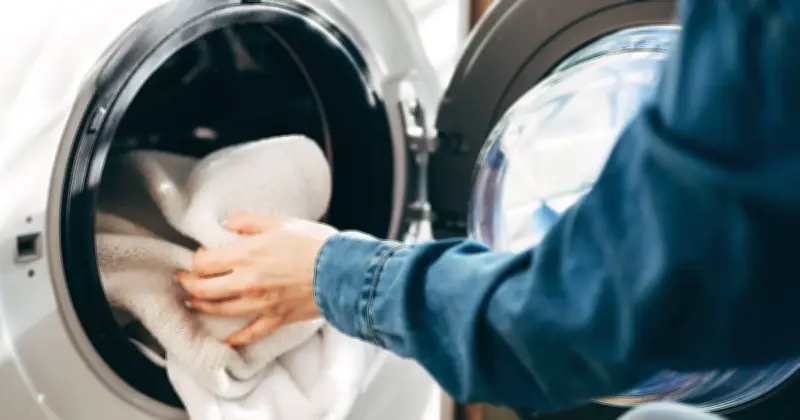
Running your washing machine between 7am and 8am is the most economical time of day, according to industry specialists at Dr. Beckmann. This “magic hour” lets households take advantage of off-peak tariffs, which most energy suppliers offer between 10pm and 8am.
Leaving a wash running overnight is not advisable due to fire safety regulations, so early risers can still benefit from lower rates. Getting the washing done first thing also allows you to hang it out to dry before heading to work or doing the school run.
Energy bills rise £60 a year
Annual energy bills for a typical dual-fuel household in Great Britain paying by direct debit will go up £60 a year, according to The Energy Saving Trust. With the energy price cap sitting at £1,723, it sees a 4% increase from October 1 to December 31.
Washing machines, dishwashers and tumble dryers represent 14% of a typical energy bill, making them the most power-hungry appliances in our homes, according to The Energy Trust.
Wash on a low heat
A 30-degree cycle can halve your washing machine's energy consumption compared to a 40-60-degree cycle. These lower temperatures are adequate for cleaning everyday garments that aren't heavily soiled.
The NHS website advises that underwear, towels and household linen should be washed at 60°C to prevent germ transmission, or at 40°C using bleach-based laundry products such as bio-based washing powder. To help reduce bills, save these items for a separate hot wash, and always select the ECO setting if your machine has one.
Avoid half loads and maintain your machine
Avoiding half loads wherever possible is another way to cut costs, as full loads are far more economical. If you need to wash a smaller load, always select the half-load programme if available. According to laundry specialists at Ariel, a simple method to check if you've overloaded your machine is the 1-palm trick: place your hand inside the drum, and the ideal load means you can fit your hand in alongside your laundry, but nothing more.
According to specialists at The Energy Trust, it is crucial not to overload the drum, as this could lead to damage. They also advise cleaning the machine's filter on a monthly basis and carrying out a monthly service wash—running the machine on a hot cycle without any clothes. Always empty clothing pockets beforehand to avoid items becoming lodged in the drain pump or causing damage to the drum.
Use bio capsules and dryer balls
For tackling stubborn stains at lower temperatures, bio capsules or laundry liquid are the most effective option, as they contain enzymes that activate at lower temperatures than non-bio alternatives. Non-bio detergents are more suitable for sensitive skin, as they contain fewer harsh enzymes.
Dryer balls work to stop laundry bunching together in the dryer by tumbling between layers and separating the fabric. This enables warm air to flow more effectively, which can help cut down on drying time. The motion of the dryer balls against clothing can also help combat wrinkles, reduce static and leave garments feeling soft.
Limit tumble dryer use
Tumble dryers are the least energy-efficient appliance in our homes. Hang clothes out on the line when the weather is warm enough and you have access to outdoor space. Alternatively, position an airer in the warmest room in your home and shut the doors—clothes can dry rapidly, particularly if left overnight.
Ofgem has shared the changes to electricity and gas prices for households who pay by Direct Debit. From October 1 to December 31, 2026, electricity is 26.32 pence per kWh with a 54.83 pence daily standing charge, and gas is 7.97 pence per kWh with a 29.68 pence daily standing charge.