BBC Morning Live has warned viewers to be cautious about plug-in energy-saving devices that claim to significantly reduce household electricity bills, after an expert said there is no evidence to substantiate such savings. The warning comes as Ofgem confirmed the energy price cap has risen by 4% to £1,723 per year for the period October 1 to December 31, 2026.
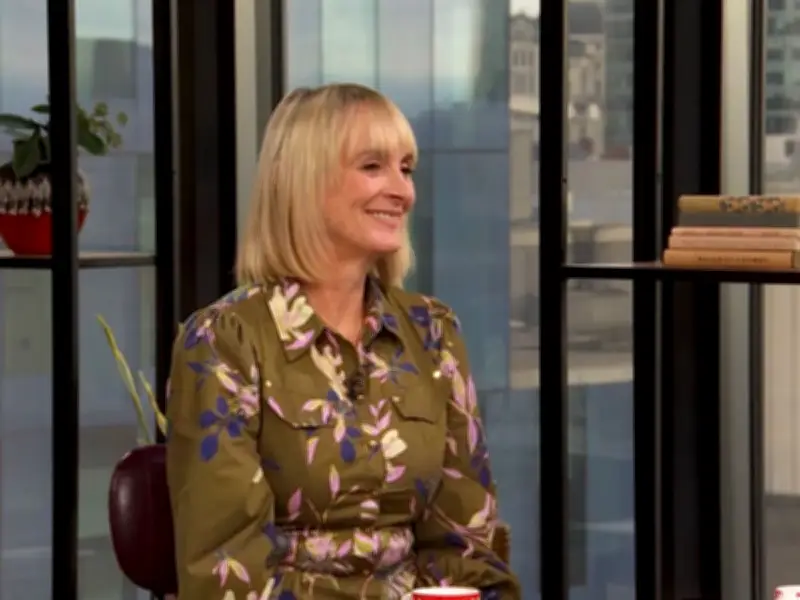
During the programme broadcast on October 6, presenter Louise Minchin addressed claims about a device that costs less than £25 and promises to save households up to £130 a month on electricity bills, with a money-back guarantee if customers are not satisfied.
'Too good to be true'
Presenters Helen Skelton and OJ Borg, broadcasting live from Manchester, asked whether such gadgets are too good to be true. Louise replied: "Yes, I'm afraid they are."
Louise explained that a viewer received an email about a plug-in device, describing the email's claims as "vague". She noted that while the email talks about making a house more energy-conscious, the claims are "ramped up" once you click through to the sales page.
Addressing the £130 monthly saving claim, Louise said: "Now that is an enormous saving - if it were true - especially when we consider that the average UK monthly electricity bill is £139 a month."
Which? testing found no evidence
Louise added that consumer champions Which? "previously tested eight of these devices and none of them did what they said. None of them could reduce household electricity bills."
She showed an example of a device but admitted: "We haven't actually independently tested this particular device. But all those things that I've talked about - the sales and advertising - there's no evidence to substantiate the claim that it could save you £130 a month."
In an article by Which? written on May 12, 2025, the organisation said: "Dangerous 'energy-saving' plugs are still widely available through online marketplaces at a time when new laws are being discussed to help prevent the sale of unsafe products, a Which? investigation has found."
The article continued: "The plug-in devices falsely claim to save you money on your electricity bill by 'stabilising' voltage and 'balancing' electric current to 'optimise' the performance of household appliances. In truth, they do nothing of the sort. Yet despite previous investigations by Which?, and a series of government recalls for similar looking devices, they're still widely available."
Safety concerns and refund advice
Which? tested "eight devices" and "found no evidence that they work. Worse, they are so poorly constructed they fail to meet basic electrical safety standards, are potentially dangerous and illegal to sell in the UK."
The organisation added: "The platforms removed the listings we reported after being contacted by Which?, but despite repeatedly claiming customer safety is a top priority, many identical-looking devices were still available weeks later."
While not all energy-saving devices fall into this dangerous category, Louise urged buyers to stay alert, not trust reviews simply because a celebrity appears to endorse them, keep receipts, ask for refunds, and not use the devices.
When asked what people should do if they have one plugged in at home, Louise said: "The simple answer is please do not use it. I'd advise you not to use it." She advised switching it off at the socket, unplugging it if safe to do so, not opening it, and not trying to repair it. She also advised keeping receipts, adverts and messages, then contacting the seller or marketplace for a refund, reporting it as a safety concern, and contacting your bank immediately if unexpected payments occur after purchase.