
Nearly three quarters of motorists (74%) confess to regularly engaging in the very behaviours they despise when others do them, according to a new survey by GoShorty. Blocking another vehicle from pulling out (17%) leads the catalogue of contradictions.
Most common hypocritical habits
Additional frequent offences include neglecting to signal when turning or switching lanes (14%), preventing another car from merging (14%) and failing to acknowledge courtesy (12%) after being allowed out.
The research also found that most Britons detest drivers who don't recognise when someone has given way (12%), jumping into a traffic queue (11%) and showing impatience towards a learner (11%), yet have confessed to identical behaviour while behind the wheel.
One in ten even owns up to displaying the middle finger or making rude gestures (10%) despite finding it infuriating when they're on the receiving end.
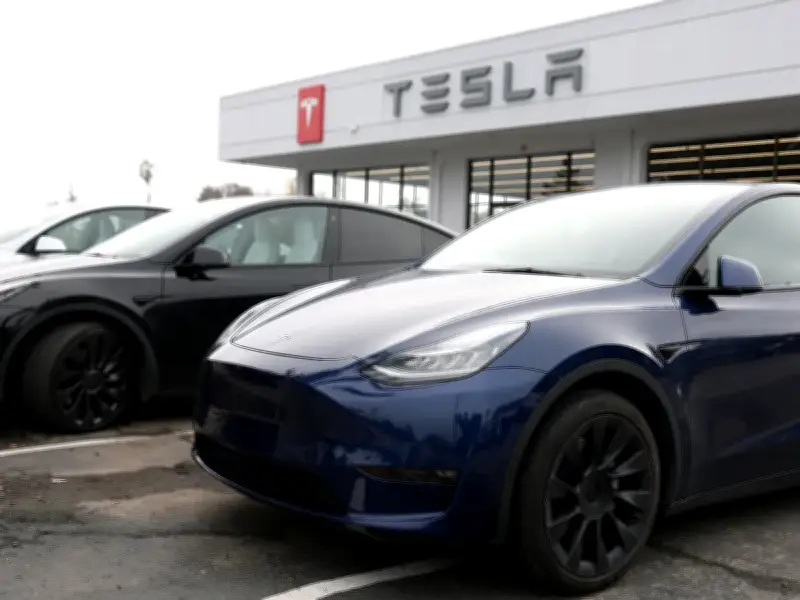
Tesla owners top hypocrisy list
But which drivers prove to be the most hypocritical? That questionable distinction belongs to Tesla owners, with an enormous 88% of users confessing they've been caught violating their own principles. Cupra drivers ranked as the second worst offenders (88%), followed by those driving Škoda (83%), Kia (81%), Hyundai (81%) and Renault (81%).
Phil Evans, Managing Director at temporary vehicle insurance provider GoShorty, said: "Most drivers have a fairly clear idea of what they consider good and bad behaviour on the road, so it is interesting to see just how big the gap can be between the standards we expect from others and the way we sometimes behave ourselves. Gestures such as indicating, allowing someone to merge or simply acknowledging another driver might appear minor, but they can make a huge difference to how calm and considerate our roads feel."
Seasonal driving frustrations
The study also asked motorists about the autumn and winter driving habits they find most frustrating. Some other seasonal highlights include failing to dip full beam headlights (60%), dazzling lights (59%) and driving without lights when it's gloomy (41%).
Additionally, the research revealed a host of irritations Brits loathe about the way others drive, including driving too close to another vehicle in wet or icy conditions (38%), using fog lights when it's not necessary (35%) and setting off on a journey with only a small section of a frosted or iced windscreen cleared (30%).
Evans adds: "During autumn and winter, behaviours that might ordinarily be annoying can quickly become genuine safety concerns. Reduced daylight, glare from headlights, rain, ice and poorer visibility all leave drivers with less margin for error, which makes patience and consideration even more important. Simple habits such as dipping your headlights at the right time, clearing your windscreen properly and leaving extra space in wet or icy conditions can make a real difference - and save you from a potential fine for breaking road laws!"
Perception of other drivers
Despite nearly all Brits claiming they are skilled and courteous drivers (96%), when questioned about the motoring abilities of others, the response was damning. A staggering 93% said some others were poor behind the wheel and 2% even said all other motorists in the UK were substandard.
As part of the study, other driving behaviours were examined, with the average Brit honking their horn three times per journey and most likely to sound their hooter if another driver pulls out in front of them (37%), cuts them up (36%) or doesn't move when the traffic lights change (35%).
On average, we get irritated by something another motorist does approximately 35 minutes into a typical journey, but we also recognise a rare, good driver, waving a hand of acknowledgement to them 15 times a week.
Evans concludes: "Driving is one of those situations where it can be very easy to judge somebody else's behaviour while giving ourselves the benefit of the doubt. Our research shows that most motorists value courtesy and consideration, but maintaining those standards starts with our own actions. Being patient, communicating clearly and giving other road users enough space can all help make journeys safer and less stressful for everyone."
From displaying politeness on the road to ensuring you have adequate insurance coverage, responsible motoring begins with your own behaviour. GoShorty's temporary car insurance can help motorists get covered swiftly before taking to the wheel.




