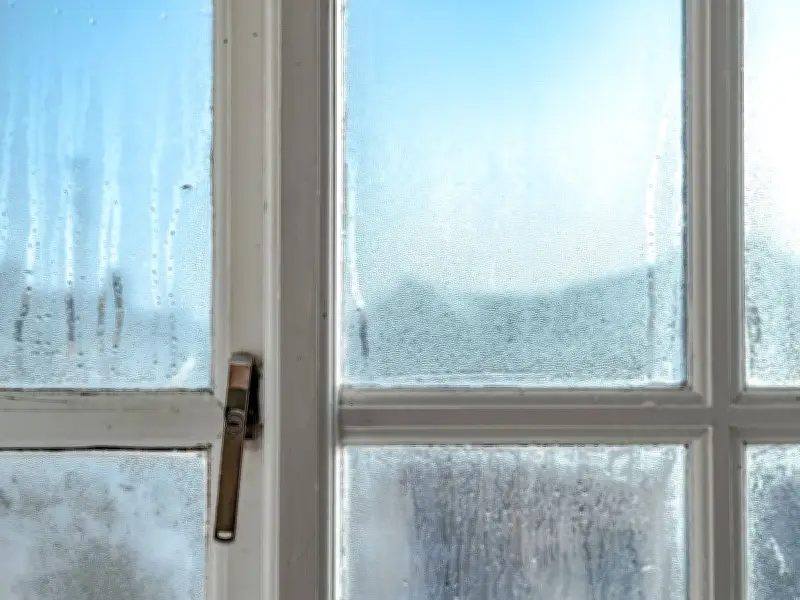
As temperatures drop, condensation is returning to windows across many households. The moisture layer forms when warm, humid air meets a cold glass surface. Warmer air holds moisture from activities like cooking or showering, while cold air holds much less.
Overnight, window glass and surrounding air chill. As the air cools, it condenses into water droplets on the pane. Leaving condensation untreated can lead to damp and mould, so it should be wiped away with a dry cloth to protect frames and nearby areas.
The 62p trick that stops condensation before it forms
An old trick tackles condensation before it appears, removing the need for daily wiping. It requires only a cloth and a bottle of washing-up liquid. A bottle costs 62p from Sainsbury's, though most households already have one.
Squeeze a small amount onto a cloth and wipe it across the inside of the windows. To test its effectiveness, one half of a window was treated while the other side was left untreated. The following morning, condensation had not formed on the treated section.
Why washing-up liquid works and how to apply it
The washing-up liquid lowers the surface tension of water, forming a protective barrier that stops moisture from collecting into droplets on the glass. Avoid applying too much, as it can leave smears.
After a week, the treated window continued to perform effectively. The method is inexpensive and straightforward, and the writer plans to treat all other windows during the colder months.
Step-by-step method
Use a clean, dry cloth and a drop of washing-up liquid. Apply a small amount of liquid directly onto the cloth, then wipe it across the interior glass, ensuring the entire pane is covered and buffed in to avoid streaks. Allow the solution to dry and avoid touching it. When condensation occurs next, it should not form on the window. Repeat every week or so if condensation returns.