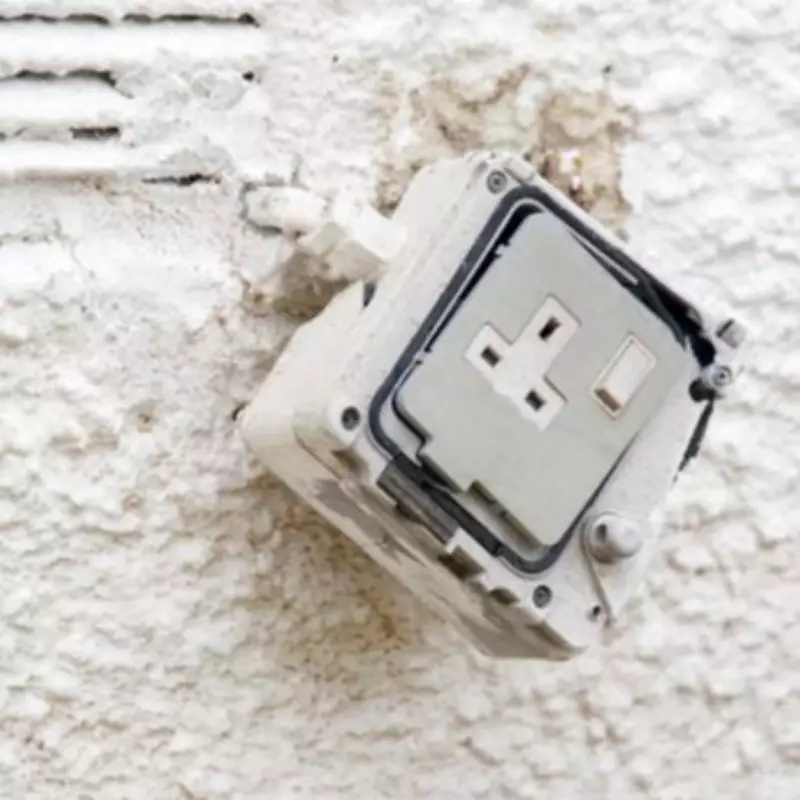
Homeowners are putting their lives at risk by ignoring potentially dangerous electrical faults, according to new research. A poll of 2,000 homeowners found that one in seven have overlooked issues such as constant tripping, broken switches, and flickering lights.
Widespread Neglect of Electrical Checks
The survey, conducted by NICEIC, the certification body for the electrical contracting industry, reveals that 22% of homeowners admit to adopting an "I'll worry about it tomorrow" attitude toward electrical problems. Another 22% have not had their electrics checked by a professional in more than a decade, if at all. Shockingly, 16% have no idea whether their property has ever been inspected by an expert.
Other common issues left unaddressed include damaged sockets, appliances that cut out, and unusual or burning smells—all potential signs of wiring problems.

Lack of Awareness About EICR
The research highlights a significant knowledge gap: 69% of homeowners have no idea what an Electrical Installation Condition Report (EICR) is. Among the 48% who are familiar with the term, many are unaware that such checks should be carried out every 10 years.
Paul Collins, technical director at NICEIC, explained: "An EICR is effectively an MOT for the electrical systems in your home, which with a growing reliance on this resource thanks to modern heating systems, heat pumps, EV chargers and more, is more important than ever before."
In privately owned homes, an EICR is recommended at least every 10 years, while in rented properties, it is a legal requirement every five years. Collins noted that many consumers are familiar with recommendations to replace mattresses every decade but do not think about electrical checks in the same way.
Confidence and Cost Barriers
Nearly half of homeowners (49%) said they were not confident in identifying a dangerous electrical fault, and 47% expressed concern about their property's electrical safety. Cost is the biggest barrier to booking a safety check, followed by 23% who do not think it is necessary and 12% who are unsure who to contact.
As a result, 24% of homeowners have attempted to fix electrical issues themselves, which can pose serious risks.
Collins added: "Of course, it's a concern that homeowners are putting off electrical safety checks and attempting to fix issues themselves, as this can pose serious risks. Electrical installations naturally deteriorate over time, and the issues that develop are not always visible."
He emphasised that having an EICR is a simple but vital step to detect problems early, before they become costly or potentially life-threatening. NICEIC has developed a tool to help consumers find trusted registered electricians in their area.