
Transport for London (TfL) has emerged as the most indebted local authority body in the UK, according to new analysis from the TaxPayers’ Alliance (TPA). The transport body holds almost £14 billion of the record-high total £155 billion in local authority debt across the country.
Debt Details and GLA Position
The Greater London Authority (GLA) ranked second on the debt list with £4.7 billion of its own borrowing. Combined, GLA bodies held £20.1 billion of debt in 2025-26, the highest of any category of local authority. TfL officials attribute the current £13.9 billion debt to borrowing for “a range of transformational projects,” including upgrading Underground stations, accessibility improvements, signalling upgrades, and new trains on the DLR and Piccadilly Line. They also noted that TfL has made an operating surplus for the past three years.
TfL is funded through a mix of central and local government grants, fares from travellers, and road network compliance charges such as the Congestion Charge and ULEZ. Despite reinvesting income into capital projects, TfL has struggled with traveller numbers not fully recovering since pre-pandemic times, as well as fare evasion and unpaid fines.
TaxPayers' Alliance Criticism
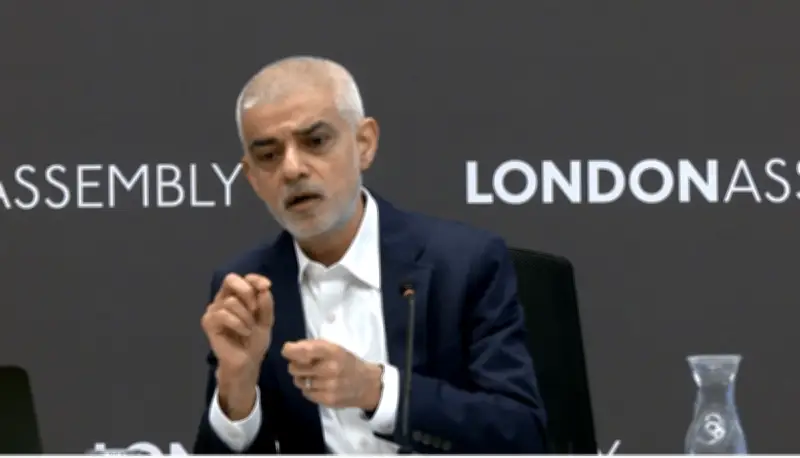
Benjamin Elks, grassroots development manager at the TaxPayers’ Alliance, told the Local Democracy Reporting Service (LDRS): “Londoners will be horrified that GLA bodies are sitting on more than £20 billion of debt, with TfL alone owing an eye-watering £14 billion. Under the Mayor’s watch, taxpayers and farepayers are being left exposed to a mountain of borrowing while basic transport performance remains a constant source of frustration. Sadiq Khan must get a grip on City Hall’s finances, rein in TfL’s debt pile and stop treating Londoners as an endless cash machine.”
Historical Borrowing Practices
Over a third of the debt for both TfL and the GLA was originally loaned from the Public Works Loan Board (PWLB) and used to purchase commercial property until the practice was effectively banned in 2020 under the previous government. This saddled many local authorities with large debts when asset values fell below purchase prices, while they still had to repay the full borrowed amount with interest. Under new rules, authorities must confirm they do not intend to borrow primarily for yield at any point during the borrowing cycle.
TfL and GLA Responses
A TfL spokesperson said: “Borrowing has been, and remains, an important source of financing for Transport for London (TfL) and supports its capital investment programme which supports not only the city, but the wider UK through its extensive supply chain. All incremental borrowing raised by TfL is in line with its planned prudent limits authorised by its Board and within its own affordability limits. TfL borrowing is monitored by each of the three global credit rating agencies who have all recently reaffirmed TfL’s credit quality. Borrowing is only used to fund capital expenditure, and for the past three years, TfL has made an operating surplus, meaning its income covered the cost of operating its business while also partly paying for renewals and capital expenditure. Any operating surplus is then reinvested into further capital improvements, therefore minimising the need for additional borrowing.”
A GLA spokesperson told the LDRS: “Being able to borrow has enabled the GLA and TfL to deliver great things for London, including the Elizabeth Line and the Northern Line extension – two huge infrastructure projects that have driven jobs and growth in London and around the country. The GLA sets an annual balanced budget that focuses on delivering on the issues that matter most to Londoners and all debt is fully funded. We operate under local authority rules, but the GLA and TfL are not councils and provide transport services for more people than the population of Scotland and Wales combined. That’s why it’s wrong to compare our borrowing levels with local councils.”
Risks of High Debt
It is common practice for local authorities to borrow large sums to finance big projects, but they must ensure they only borrow what they can afford. For the GLA, the Local Government Act states that the Mayor determines how much the authority and its functional bodies like TfL can afford to borrow. The main risk of a large debt pile is that servicing the debt—paying interest and repaying the sum—can consume funds needed for essential services. Several English local authorities, including Croydon, have effectively declared bankruptcy (Section 114) in recent years due to this. While local authorities cannot go bankrupt, a Section 114 notice declares that income for the forthcoming year will not cover outgoings. There is no suggestion TfL or the GLA are close to issuing Section 114 notices, but the more debt they hold, the more taxpayer money is used to pay it off rather than funding essential services.




