
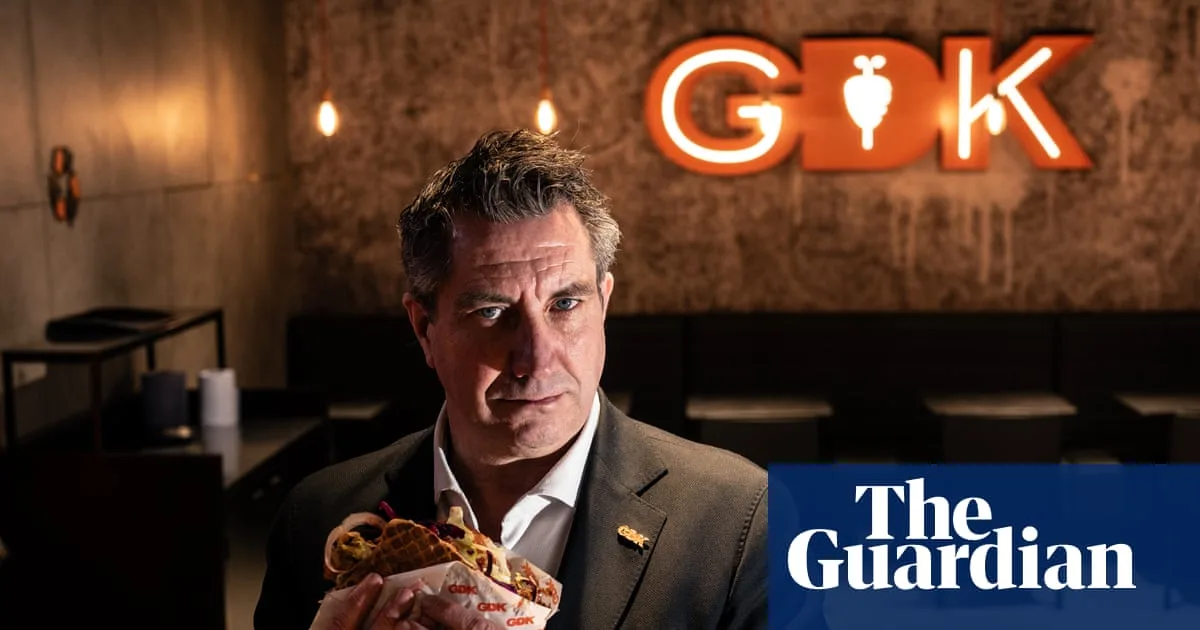
German Doner Kebab (GDK), the British-owned chain known for its German-style doner kebabs, is deploying robot meat-slicers, self-service screens, and other smart kitchen technologies to cut costs and remain competitive amid rising expenses. The company, which operates 155 outlets in the UK and nearly 40 more overseas, aims to open 25 new UK sites this year, with long-term plans for 900 worldwide.
CEO Simon Wallis says the hospitality sector is in a 'survival of the fittest' environment, with households cooking at home more to save money and restaurants facing hikes in energy bills, business rates, national insurance, and hourly pay. Labour costs have had the biggest impact, prompting GDK to focus on productivity improvements.
The robotic kebab-shaver, trialled in Bedford, automatically slices meat from vertical rotisseries more precisely and consistently than human staff, reducing labour hours. Other innovations include equipment that preheats bread to speed toasting, a central kitchen for sauces, and self-service screens that now handle about two-thirds of transactions. Wallis has also removed barriers between kitchen and counter to allow one person to prepare and serve food during quiet periods.
GDK's owners, led by investment firm True Capital, are backing a loyalty app to encourage dine-in visits over less profitable delivery orders. Despite cost-of-living pressures, delivery sales rose over 10% last year, but Wallis notes that high streets are reviving in some areas, and GDK is using geolocation to identify the best locations for new outlets.




