
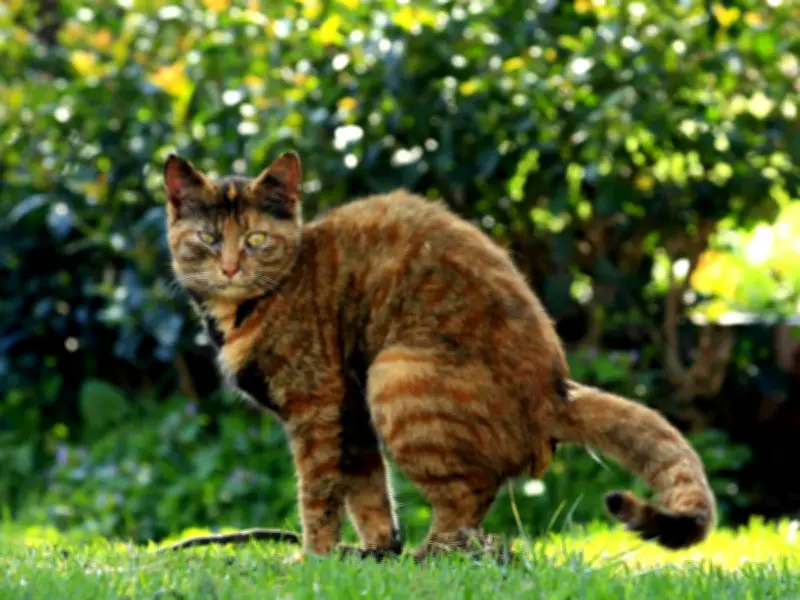
Homeowners who take pride in their gardens may find them spoiled by a recurring visitor: the neighbour's cat. Cats are drawn to soft, cultivated soil as an ideal spot to dig and relieve themselves, and their territorial instincts mean they often return. But what legal options are available?
Limited legal recourse under UK law
In the UK, cats have a legal 'right to roam'. This means owners are not responsible for where their cats go, and neighbours cannot be sued for trespass or forced to keep the cat indoors. Jill Carey, Property Litigation Partner at Freeths, explained: 'Unlike other animals such as dogs or horses, cats in the UK are free spirits with the right to roam, on the basis that cats do not have the same capacity to cause injury and damage as those animals do.'
She added: 'The right to roam is not set out explicitly in a single statute, but is rather the consequence of how cats are treated by the law. First, the law treats cats as property, belonging to their owner. Secondly, cats are excluded from any specific legislation that obliges animal owners to keep their animals confined, such as the Dangerous Dogs Act 1991. This means that cats can stroll coolly into your garden, or even your house, and not commit a trespass.'
Practical steps to resolve the issue
Legal specialists suggest starting with a friendly conversation with the cat's owner. Joanne Ellis, partner and dispute resolution specialist at Stephensons, said: 'It's also usually best to start with a friendly conversation. Your neighbour may not realise there's an issue and could be willing to take steps to help.'
If dialogue fails, humane deterrents can be effective. These include motion-activated sprinklers, protective netting, or planting cat-repellent species. Daniel Stern, partner and Head of Property Litigation at Slater Heelis in Manchester, noted: 'In practice, most disputes are best resolved through open communication. Owners may install additional litter facilities, while affected neighbours often use deterrents such as motion-activated sprinklers, protective netting or cat-repellent planting.'
When legal action might be possible
If a cat causes tangible damage – such as repeatedly destroying plants or killing patches of grass – there might be grounds for a nuisance or negligence claim. However, Joanne Ellis warned: 'These cases can be difficult and costly to pursue in practice. If the neighbour is already taking reasonable steps to address the problem, obtaining any meaningful recourse through the courts is likely to be challenging.'
She advised homeowners to check property paperwork for any relevant covenants, and if the property is leasehold, the managing agent may assist. For further guidance, organisations like Citizens Advice Bureau or animal charities can provide advice on deterring cats.
Court outcomes and costs
If a negligence or nuisance case is pursued, the court may grant an injunction and damages to restore the garden. But Joanne Ellis noted: 'You do have the issue of how the court is going to force the neighbour from allowing the cat out though. It is very unlikely the court would curtail the actions of the cat to, for example, stop it from going out.'
Costs are unlikely to be fully recovered, and the neighbour may not have the means to pay. The most effective solution remains a combination of evidence, communication, and practical deterrents.




