
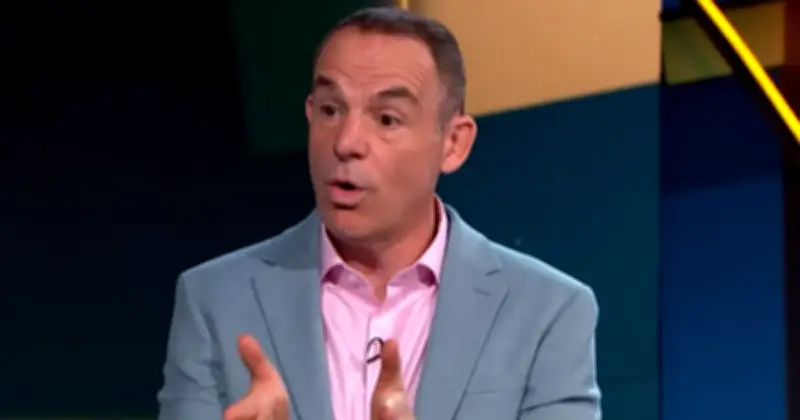
Martin Lewis has issued a warning to Nationwide Building Society members about potential tax liabilities on the £100 Fairer Share payment. Speaking on his BBC podcast, the money-saving expert clarified that the payment is treated as interest for tax purposes, not as a switching bonus or cashback.
What Is the Fairer Share Payment?
Nationwide's Fairer Share scheme distributes profits to loyal members. The latest round, the fourth, saw £100 payments landing in customer accounts between June 10 and 30. To qualify, customers needed a Nationwide current account plus either a savings account or a mortgage, along with specified account activity in recent months.
Nationwide confirmed that most payments have now been issued. While the free cash is welcome, some recipients may need to pay tax to HMRC.
Tax Implications Explained
On his podcast, Martin Lewis addressed a question from a customer with a joint account who had received the £100 payment. The customer wanted to know how the payment would be treated for tax purposes, whose allowances it would use, and whether it would be reported to HMRC.
Lewis said: "The Nationwide Fairer Share payment is a £100 payment this year and in previous years. Effectively, it's a loyalty bonus for existing Nationwide customers who fulfil certain criteria. What is interesting about this particular payment is it does count as interest."
He contrasted it with bank switching bonuses, which are considered incentives and are not taxable, similar to credit card cashback. "But because this is effectively a benefit of a mutual organisation and is a membership payout, that is taxable, and it's taxable as interest," Lewis added.
Who Needs to Pay Tax?
Lewis explained that tax liability depends on the individual's personal savings allowance. Basic rate taxpayers have an allowance of £1,000 per year, while higher rate taxpayers have £500. Additional rate taxpayers have no allowance.
"For those people who earn above their personal savings allowance, you would have to pay tax on the £100. If you earn less, you won't have to pay tax on the £100, or if you're a non-taxpayer, you won't have to pay tax on the £100," Lewis said.
For joint accounts, the payment is split 50/50. Lewis noted: "Like if you have joint savings, the interest payment is demarked 50/50, the Nationwide Fairer Share in a joint bank account is demarked 50/50. I haven't asked Nationwide if that is what they report to HMRC, but that is exactly what the situation is. I can't see any reason why that isn't what they would report to HMRC. So yes, you should consider this to be £50 each. Simple as that."
Nationwide's Clarification
When asked about joint accounts where only one party is eligible, Nationwide stated: "The £100 payment belongs to the eligible member, however, in the case of a joint account where only one of the parties was eligible, HMRC may assume the interest is split between parties. The customer may need to contact HMRC for this to be changed if it impacts their tax position."
Potential Tax Bills
Tax on the payment is charged at the recipient's marginal income tax rate. For the full £100, a basic rate taxpayer would owe £20, a higher rate taxpayer £40, and an additional rate taxpayer £45. Those with savings income below their allowance may owe nothing.




