
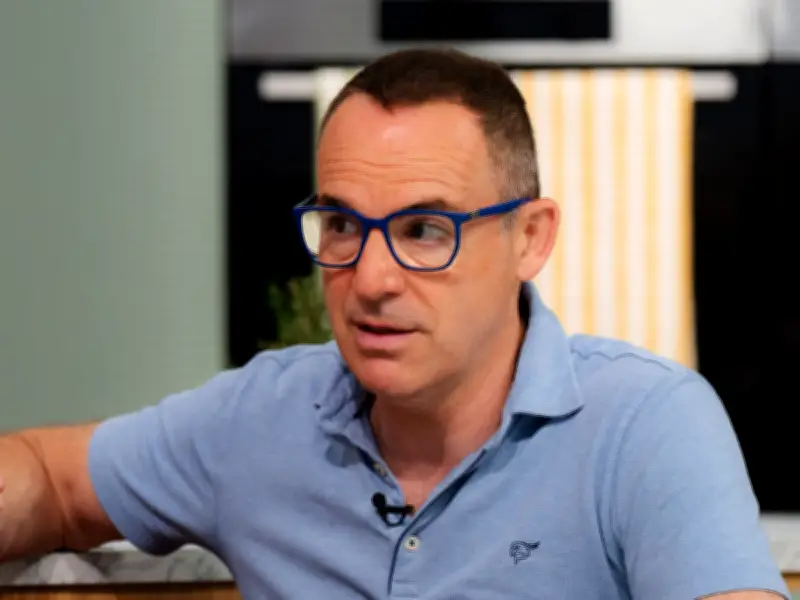
Consumer champion Martin Lewis is urging people to remember three numbers as they can help protect you from scams. If you receive a suspicious call from someone pretending to be from your bank, all you need to do is put the phone down and dial 159.
According to Martin, this will take you to a switchboard that will in turn put you through to your bank's real number. The personal finance expert issued the tip on his social media channels, alongside a video clip explaining what to do.
How the 159 service works
He wrote: "Pls spread word. Three digits can help protect you from scams: 159. If you're suspicious of a 'call from your bank', politely hang up and dial 159. It connects you to a switchboard that puts you through to your bank's real number. Watch the video for why its extra protection." This comes as Lloyds Bank recently issued an alert to customers warning them of fraudsters 'impersonating' trusted companies, as reported by ChronicleLive.
Martin says in the video: "There are three numbers you need to remember to protect yourself from scams - 159. If you dial 159 on your phone, you'll be put through to a switchboard. It'll ask you which bank you want to talk to. You tell it and you will be put through to your bank's legitimate number. Do spread word because there are two reasons this protects you.
Two reasons for extra protection
"The first is if you get a suspicious call from someone saying it's your bank, you can politely say to them 'you know what? I want to call through the official routes.' Put the phone down and dial 159. You don't need to look anything up. The second reason - there are rare times when a scammer will spoof your line. So if you put the phone down and call back your bank, and it would say 'hello it's Martin's bank here' and you think, okay, I'm through. No.
"If you dial 159 and it says 'hello, it's Martin's bank', you know it's wrong because you should have been put through to the switchboard. Protect yourself. And remember 159. Do spread word."
Lloyds Bank warning
Meanwhile, Lloyds Bank has issued a warning to its customers, alerting them via email: "We're being impersonated. Here's how to spot the signs." In a bid to help customers protect themselves, the bank outlined several key warning signs that a message may not be legitimate, noting that technologies such as AI have made it increasingly difficult to identify scams at first glance. Among its guidance, the bank confirmed it will always address customers by name and include the last four digits of their account number in every email, so recipients can verify the communication is authentic.
Lloyds shared its "golden rules", urging customers to use the four steps to keep themselves safe, stressing that this guidance will "never change". Lloyds has confirmed it will never contact customers requesting them to share or reset a passcode, password or full banking details, nor will it ask customers to move money to another account. The bank will never ask customers to log in or verify their identity via a link or QR code, and will never request that customers screenshare their device.




