
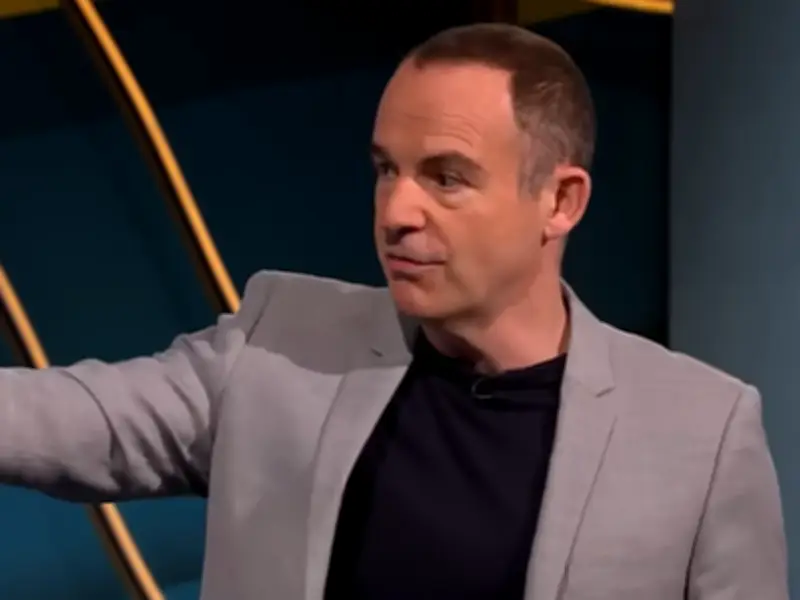
Personal finance expert Martin Lewis has warned that couples where one partner earns just £1 above the high-rate tax threshold cannot claim the Marriage Allowance, a tax relief that can boost a married couple's personal tax allowance to £13,830. The basic personal tax threshold has been frozen at £12,570 since 2021, and the freeze is set to continue until 2031.
Marriage Allowance explained
The Marriage Allowance allows a non-taxpaying spouse to transfer 10% of their personal allowance to their partner, who must be a basic rate taxpayer. This gives the recipient an additional £1,260 tax-free income per year, saving up to £252 annually. The allowance can be backdated for four years, potentially yielding a lump sum of over £1,000.
On his BBC Radio 5 podcast, listener Darren asked about his eligibility. Darren is a high-rate taxpayer, his wife is a full-time carer for their severely disabled son, and she claims Carer's Allowance. Martin explained: “I'm afraid it isn't going to be an issue for you. You cannot claim married tax allowance. The marriage tax allowance is for non taxpayers, which is your wife, married to a basic rate taxpayer which isn't you. You're a high rate taxpayer. If you go over the high-rate tax threshold even by a pound, you can no longer do the marriage tax allowance.”
Eligibility criteria
To qualify, one partner must earn less than the Personal Allowance of £12,570, and the higher-earning partner must have an income between £12,571 and £50,270 (£43,662 in Scotland). The couple must be married or in a civil partnership. Martin suggested that increasing pension contributions by £1 could bring a high-rate taxpayer back into the basic rate band, enabling the claim.
Martin added: “So if you are listening and you are in a relationship where one of you is a non taxpayer and if you two are married or in a civil partnership, not just cohabiting, then you are entitled to use the marriage tax allowance. If you've been entitled to it for four years previously, you could be entitled to £1,250 and get a backdated payment of £1,000 as part of that.”
2.1 million missing out
HMRC estimates that 2.1 million eligible couples are not claiming the allowance. Those who have never applied could receive a lump sum of up to £1,260, covering the current year and four previous tax years. The annual saving is £252 per year.
Tax thresholds have remained frozen since 2021, with Chancellor Rachel Reeves extending the freeze until 2031. This has been criticised for causing 'fiscal drag', where inflation pushes wages higher, pulling more people into higher tax brackets despite no real income gain.
HMRC encourages people to apply: “Marriage Allowance keeps money in your pocket by reducing the amount of tax you and your spouse pay by up to £252 a year. You can check your eligibility and apply on GOV.UK. Search 'Marriage Allowance' to find out more.”




