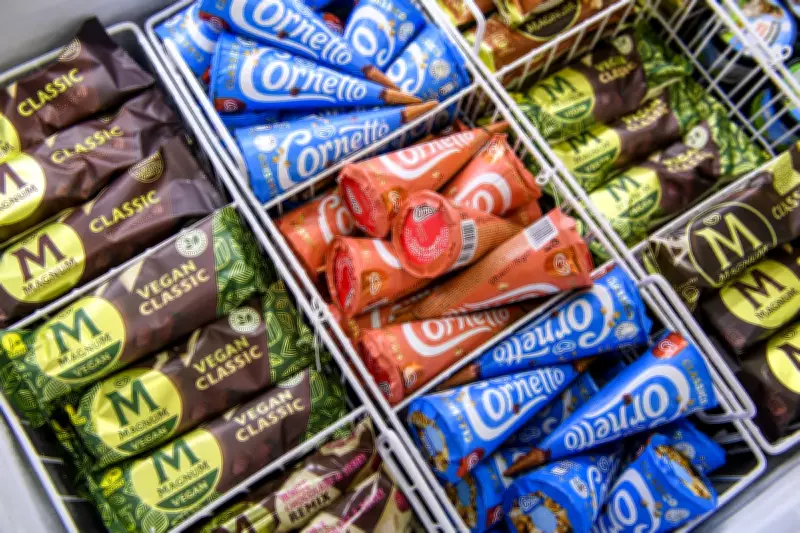
Magnum CEO Views Weight-Loss Drug Trend as Catalyst for Premium Miniature Treats
The chief executive of The Magnum Ice Cream Company, Peter ter Kulve, has articulated a strategic perspective on the growing prevalence of GLP-1 weight-loss medications, framing it not as a threat but as a significant commercial opportunity for the premium ice cream sector.
Shifting Consumer Behaviour and Deliberate Indulgence
Mr ter Kulve emphasised that while these pharmaceuticals are curbing what he termed "mindless munching" and binge-eating behaviours, they do not eliminate the fundamental human desire for occasional treats. Instead, he observed a transformation in consumption patterns.
"When individuals are using GLP-1 medications, they do not cease eating treats altogether," he stated. "However, there is a pronounced reduction in impulsive, uncontrolled eating. People become more intentional and selective in their choices."

This shift, according to the CEO, manifests in a preference for smaller portions, lower calorie counts, enhanced nutritional density, authentic ingredients, and higher protein content. He characterised this evolution in consumer appetite as a positive development for society and for brands positioned to adapt.
Strategic Corporate Response and Product Innovation
In response to this behavioural shift, TMICC—the global ice cream giant behind brands like Ben & Jerry's, Cornetto, and Carte D'or—has been proactively expanding its portfolio of portion-controlled offerings. This strategic move is designed to directly meet the emerging demand for deliberate indulgence.
The company has been rolling out an increasing array of bite-sized and miniature variants, such as the Magnum Bonbon range and Ben & Jerry's Peaces. These products cater specifically to consumers seeking controlled, premium treat experiences without excess.
"This presents a genuine opportunity for us to supply lower-calorie, premium-priced treats," Mr ter Kulve explained, highlighting the potential for value growth in a changing market landscape.
Geographic Considerations and Broader Market Outlook
The executive provided important context, noting that the significant usage of GLP-1 drugs is currently concentrated primarily in the United States. He assessed that the "overall global impact remains limited at this stage," but the trend is being closely monitored.
Despite some industry concerns that changing appetites could negatively impact sales across the snacking sector, Mr ter Kulve expressed an optimistic and proactive corporate stance. "A healthier society benefits everyone, and we are very eager to contribute to that outcome," he affirmed.
The company's approach reflects a broader adaptation within the food industry, where understanding nuanced consumer health trends is becoming integral to product development and marketing strategies for major brands like Magnum.