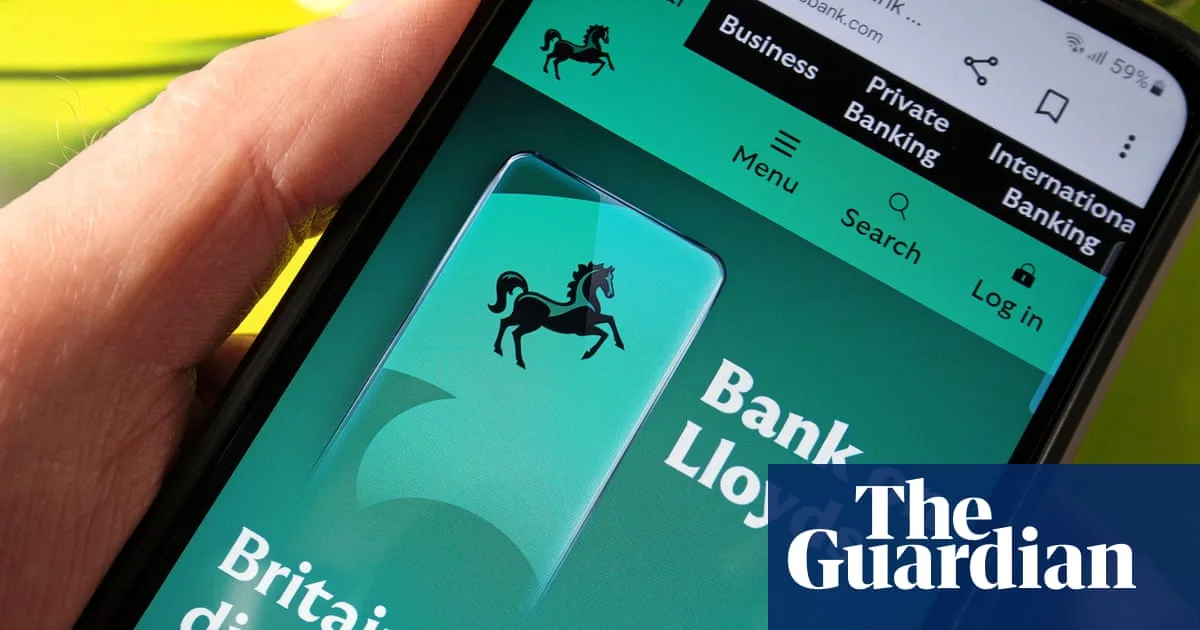
Lloyds Pays £139k Compensation After IT Glitch Exposes Customer Data
Lloyds Pays £139k After IT Glitch Exposes Customer Accounts

Lloyds Banking Group Issues Compensation Following Major IT Data Breach

Lloyds Banking Group has distributed £139,000 in compensation payments following a significant IT malfunction that exposed the personal financial data of almost half a million customers earlier this month. The incident, which occurred on March 12, affected a total of 447,936 customers across the group's three main brands: Lloyds Bank, Halifax, and Bank of Scotland.

Scope of the Data Exposure Incident

The technical failure resulted in customers either having their personal data inadvertently shared with others or being able to view financial transactions belonging to different account holders. According to bank officials, 114,182 customers actively clicked on and viewed these exposed transactions during the brief window when the system was compromised.

Jasjyot Singh, Lloyds' consumer relations director, formally apologized for the breach in a detailed letter to Parliament's Treasury Select Committee. The correspondence confirmed that affected customers may have been shown highly sensitive information including:

Wide Pickt banner — collaborative shopping lists app for Telegram, phone mockup with grocery list
  • Detailed account information
  • National insurance numbers
  • Payment references and transaction details

Compensation and Customer Impact

To date, the banking giant has compensated 3,625 customers for the distress and inconvenience caused by the privacy breach. The £139,000 payout represents compensation for emotional impact rather than financial losses, as the bank confirmed no customers have been identified as suffering direct monetary harm from the incident.

Remarkably, the letter to Parliament revealed that the data exposure extended beyond Lloyds group customers, with personal information belonging to individuals without accounts at the bank also becoming visible during the technical failure.

Technical Cause and Response

Lloyds attributed the widespread data exposure to what it described as a "software defect" resulting from an overnight IT update. The bank moved quickly to contain the situation once the problem was identified.

A Lloyds spokesperson explained: "On March 12, some customers using our app may have briefly seen transactions that were not their own following an IT change. The issue was quickly identified and resolved, and we've contacted customers whose transactions may have been visible for that short time."

Regulatory and Industry Implications

Dame Meg Hillier, Chair of the Treasury Committee, commented on the broader implications of such technological failures in modern banking: "Modern banking methods mean we can now perform a variety of tasks on our phones in a matter of seconds, and almost anywhere. What this incident brings into focus is the fact that there is a trade-off. By moving more interactions with our bank online, we place our faith in technology which can suffer unpredictable errors."

The incident highlights the ongoing challenges financial institutions face as they increasingly rely on digital platforms while maintaining robust data protection measures. With nearly half a million customers affected across three major banking brands, the Lloyds IT failure represents one of the most significant data exposure incidents in recent UK banking history.

As digital banking continues to expand, industry observers note that such incidents raise important questions about system resilience, customer data protection protocols, and the adequacy of compensation frameworks when technological failures compromise personal privacy on a large scale.

Pickt after-article banner — collaborative shopping lists app with family illustration




