
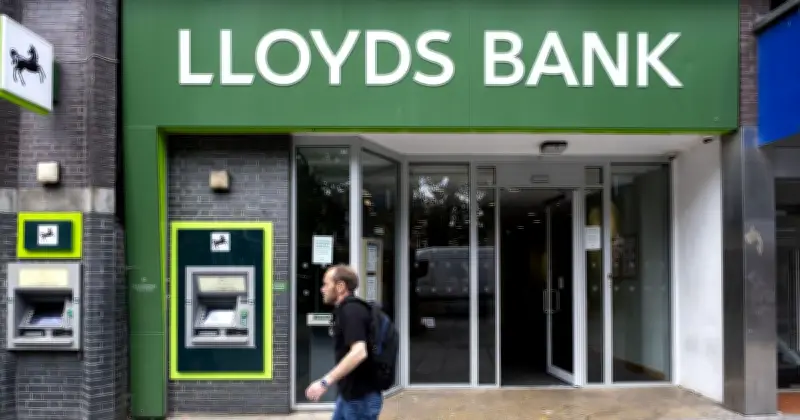
Lloyds Bank customers will see a major change take effect on July 31 as the £50 interest-free overdraft buffer is removed. The bank is closing its Select current account and automatically moving existing customers onto its Classic account.
While Select customers could previously borrow up to £50 through an arranged overdraft without paying interest, the Classic account provides no interest-free allowance. From Friday, daily interest may be charged from the first pound borrowed.
What the change means
The representative arranged overdraft rate on the Classic account is currently 29.9% EAR variable, although Lloyds says the rate offered to each customer can depend on how they manage their accounts and the credit information the bank holds about them.
Thomas Drury, money-saving expert at The Investors Centre, says: “The important part of this change is not that customers are losing access to their arranged overdraft. It is that the first £50 will no longer be protected from interest.”
Impact on customers
Thomas explains that someone might only go £10 or £20 overdrawn because a subscription leaves their account the day before their wages arrive. “Until now, that small amount may have stayed within the interest-free buffer. From July 31, the same transaction could begin attracting daily interest.”
Lloyds says interest is charged at the end of each day an arranged overdraft is used. Customers who repay the borrowed amount before the end of the day will not normally incur interest for that day.
Cost examples
At the representative rate of 29.9% EAR, remaining £50 overdrawn for seven days would cost roughly 25p in interest. Keeping the same balance for 30 days would cost approximately £1.09.
Thomas says the greater risk is that customers fail to notice the removal of the buffer and begin treating interest-bearing borrowing as part of their normal monthly budget. “A few pence from one small payment is unlikely to cause a financial crisis. The problem begins when the overdraft is used repeatedly, the balance grows or the customer stays below zero for most of the month.”
“For illustration, £500 left overdrawn for 30 days at 29.9% EAR would cost around £10.87. A £1,000 balance held for the same period would cost approximately £21.73, although the actual charge will depend on the customer’s rate and the number of days they borrow.”
The change could be particularly important for customers whose salary, pension or benefit payment arrives close to the date their household bills are collected. Lloyds first informed customers of the change in March.




