
Liverpool hospitality leaders have welcomed the Government's decision to cut business rates by 20% for pubs, clubs and live music venues from next April – but say restaurants and cafés have been unfairly left behind. The ECHO has spoken to bosses from across the city's hospitality sector after the Prime Minister announced the new relief package, with many arguing the support should have been extended across the entire industry.
Restaurant owners question exclusion
Sam Morgan is the chief executive of Open Restaurant Group, the team behind Liverpool's flagship three AA Rosette fine-dining experience Restaurant 8 and Oxton neighbourhood favourite Daise. Alongside city chef Andrew Sheridan, the pair own six other restaurants, including Chester's Noted on Bridge Street. The 44-year-old dad questioned why restaurants and cafés had once again been excluded. He told the ECHO: "It's difficult to understand why restaurants and cafés have once again been left out. They face exactly the same pressures: rising employment costs, high energy bills, food inflation and squeezed consumer spending."
"For many operators, business rates remain one of the biggest fixed costs they have to absorb. Hospitality is an interconnected sector. Restaurants, cafés, pubs and bars all play a vital role in creating thriving high streets, supporting local employment and attracting people into town and city centres. Supporting one part of the sector while excluding another risks creating an uneven playing field at a time when many businesses are still fighting to remain viable. If the ambition is genuinely to back Britain's high streets and local communities, then the whole hospitality sector needs to be included."
Economic impact and calls for reform
Hospitality supports more than 20,700 jobs in Liverpool, while food and drink accounts for around 36% of city centre spending, underlining the sector's importance to the local economy and visitor offer. Bill Addy, chief executive of Liverpool BID Company, said the organisation has been lobbying for greater hospitality support since the Covid pandemic and believes wider reform is still needed, including a 10% cut to hospitality VAT. He added: "Hospitality is the life and soul of many high streets. Along with retail, leisure and culture, it forms the beating heart of our city centres. Ensuring these small businesses are not taxed out of existence has been the rallying call we have amplified from the sector. Our once thriving independents shouldn't feel that they are out of pocket before they even unlock their doors in the morning."
Family-run venues speak out
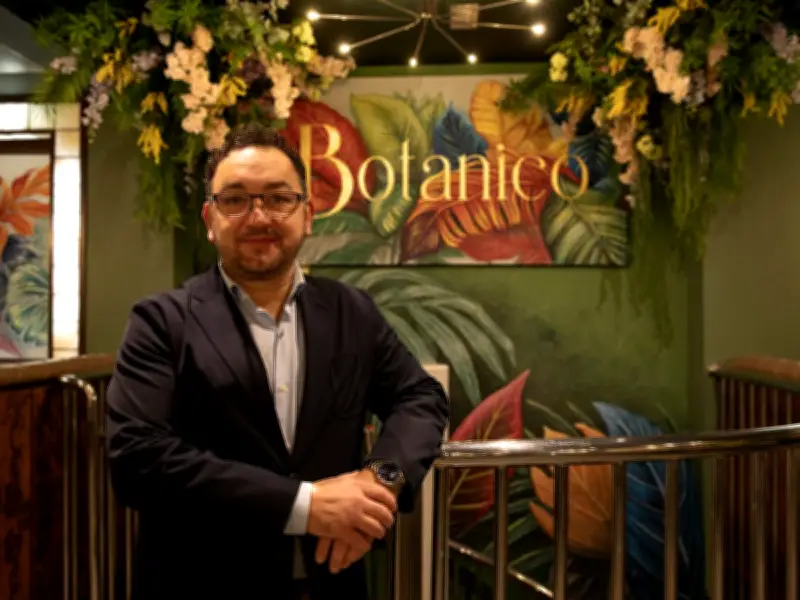
Donato Cillo, whose family operates venues including Panoramic 34, Botanico and businesses within Liverpool's Italian Quarter, said the announcement failed to recognise the role restaurants play. The dad said: "Hospitality is so much more than places to eat and drink – it's a major employer, it drives tourism, supports countless local suppliers and plays a vital role in creating vibrant city centres. We should never underestimate the enormous direct and indirect contribution hospitality makes to a city region like Liverpool."
Chef Kemal Coskuncay, who is behind Halewood's Casa Rima, said restaurants and cafés continue to battle rising electricity, gas, water, payroll, food and waste costs while many long-established businesses are being forced to close. He added: "The hospitality industry is under enormous financial pressure. Restaurants and cafés are facing rapidly rising costs, including electricity, gas, water, business rates, waste collection charges, VAT, payroll, food ingredients and, above all, staff wages, which remain our biggest expense. As a result, many restaurants, cafés and hospitality businesses that have served their communities for years are being forced to close their doors. This is not only affecting business owners, but also thousands of employees, suppliers and local communities."
"As chefs, our passion is to provide the people of Britain with fresh, healthy and affordable food. We want to focus on creating great dishes, serving our customers and standing behind our grills—not spending our time struggling with endless financial pressures and complicated accounting. Hospitality is much more than simply providing food and drink. Restaurants and cafés are places where families come together, friends meet, communities connect and cultures are shared. Dining out is an important part of Britain’s social and cultural life. It brings people together, creates memories and contributes to the wellbeing of our communities. Hospitality is an art, and chefs and restaurateurs are proud to be part of that tradition."




