

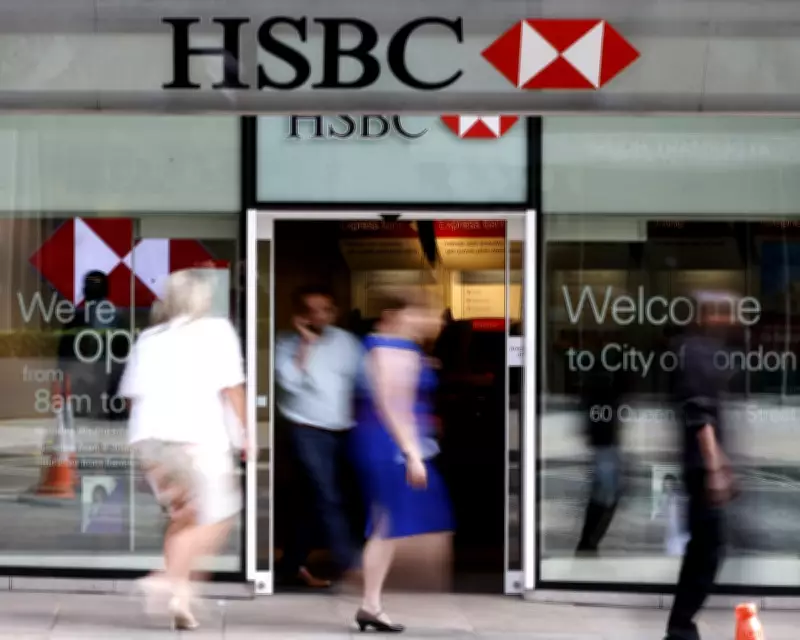
HSBC Executives Voice Alarm Over Iran War's Economic Impact
HSBC's top leadership has issued stark warnings about the economic repercussions of the Iran war, stating it is already undermining global confidence. The bank's chief executive, Georges Elhedery, expressed deep concern during a conference in Hong Kong, highlighting how uncertainties from the conflict are beginning to weigh on business sentiment worldwide.
Business Leaders Echo Concerns Over Rising Costs and Uncertainty
Multiple business leaders have joined HSBC in sounding the alarm. The recruitment firm PageGroup noted that the Middle East conflict is creating an increasingly uncertain outlook for the year ahead, with tough market conditions in the UK, Europe, and Asia. Similarly, Imperial Brands cited a "more uncertain geopolitical and macro environment" as it faced losses on the FTSE 100.
Tom Beahon, co-founder of sportswear company Castore, reported that costs for materials like polyester have surged by 10-15% due to the war. He warned that if the conflict persists, these increases could be passed on to consumers. Beahon emphasized the volatility in prices, making planning difficult for businesses.

Oil Prices and Inflation Pose Significant Threats
HSBC chair Brendan Nelson stressed that oil-driven inflation is a major challenge to the global economy, potentially lifting inflation and depressing growth. Despite a brief dip, Brent crude oil prices have remained volatile, hovering around $100 per barrel. The disruption in energy flows from the Middle East is exacerbating inflationary pressures.
Corneel Koster, chief executive of Virgin Atlantic, highlighted that jet fuel prices have more than doubled since before the war, indicating lasting disruptions to global energy markets. This has broader implications for industries reliant on petroleum products, from aviation to manufacturing.
Geopolitical Tensions and Market Reactions
The conflict, which began with US and Israel attacks on Iran in late February, has led to some wealthy investors in the Middle East exploring relocation to places like Singapore and Hong Kong. However, Elhedery noted that capital movement out of the region has been "very benign" so far. HSBC, with significant exposure to the Middle East through stakes like its 31% holding in Saudi Awwal Bank, remains vigilant.
In London, the FTSE 100 showed modest gains, but underlying concerns persist. Negotiations between the US and Iran have stalled, with talks in Islamabad ending without agreement, adding to the uncertainty. Chancellor Rachel Reeves called for coordinated international action at IMF and World Bank meetings, urging a unified response to global crises.
Logistical Challenges and Future Outlook
Beyond financial markets, the war has caused logistical headaches. Airlines have reduced flights, and ships are stranded in the Strait of Hormuz, disrupting supply chains. Beahon pointed out that shipping products has become a significant challenge, though he expressed hope for resolution in the coming weeks to minimize customer impact.
Overall, HSBC's warnings underscore the far-reaching effects of the Iran war, from dampening business confidence to fueling inflation and logistical bottlenecks. As the conflict continues, its economic fallout is expected to extend well beyond the Middle East, affecting global growth and stability.






