
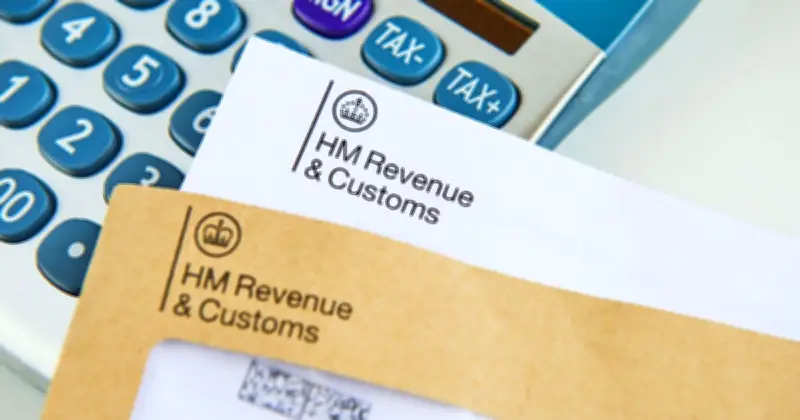
Households are being warned to submit their tax information by the end of Friday or risk an automatic £100 fine on Saturday, August 1. Many households must submit self-assessment tax returns to HMRC because they have income that isn’t automatically taxed like regular PAYE salary, such as rental income, interest on savings or private pensions.
Second Deadline for Some Taxpayers
HMRC informs some larger self-assessment bill payers to stagger their tax returns across two deadlines in the year, rather than just the usual January 31 deadline. For these taxpayers, there is a second deadline on July 31 that must be met, or risk a fine.
Any outstanding tax money is also charged at 7.75% late payment charges. These self-assessment taxpayers are required to make two payments on account every year, unless their last tax bill was less than £1,000 or they paid more than 80% of the previous year’s tax owed at source, for example, through PAYE.
Each payment is half the previous year's income tax bill, with payments due by midnight on January 31 during the tax year and 31 July after the end of the tax year. If there is still tax to pay after the payments on account are made, a balancing payment will be due by midnight on 31 January in the following year.
Future Changes to Tax Payments
However, HMRC may in the future seek more regular tax payments from Self Assessment customers. The tax authority is currently consulting on a proposal to bring tax payments closer to real time. This could involve more frequent payment cycles – potentially monthly or quarterly.
Accountancy firm BDO has a number of concerns regarding the proposals, which risk increasing cashflow pressures on the self-employed. In particular, HMRC’s proposed reforms could cause challenges for those who receive irregular income or who struggle to get their invoices paid on time.
Expert Advice on Avoiding Penalties
Elsa Littlewood, a private client services tax partner at accountancy and business advisory firm BDO said: “Summer can be an expensive time for families with school holidays and childcare costs weighing on people’s budgets.
“Those who miss the deadline or fail to pay the full amount due should be aware that a 7.75% late payment interest rate will be applied to all outstanding amounts owed after 31 July. This can significantly increase the amount owed to HMRC as interest will continue to accrue while the liability remains outstanding.
“If you are sure your tax bill is going to be lower for 2025/26 than the prior year - for example you have already prepared your 2025/26 tax return - you can go online to ask HMRC to reduce your payments on account.
“For those who are going to struggle to pay, there is the option of setting up a Time to Pay arrangement with HMRC. For qualifying debts of up to £30,000, taxpayers may be able to apply for a Time to Pay arrangement online.
“It is also worth remembering that if you have not yet paid your tax liability that was due on 31 January 2026 - ie for the 2024/25 tax year - a 5% penalty can be charged for payments that are six months late. HMRC can also charge penalties if the tax return is filed late. To mitigate late filing and payment penalties you should look to bring any outstanding filings and tax payments up to date as soon as possible.
“In the future, it’s possible that Self Assessment taxpayers may be required to make more regular payments in real time.
“HMRC is currently consulting on accelerating the timing of tax payments. This raises a number of issues around whether tax may fall due before cash is received. There are also questions around how taxpayers will be able to manage the transition period during which they may be asked to pay for two years’ tax in one year.
“We will be responding to the consultation to raise the concerns of our self-employed and partnership clients as well as set out how the proposals may operate in practice based on our experience.
“In addition to settling the payment on account bill, 864,000 sole traders and landlords earning more than £50,000 from self-employment and property will need to send their first Making Tax Digital for Income Tax quarterly update by 7 August. Making Tax Digital is now a legal requirement and those taxpayers in scope should check they are signed up, that their software is compatible and their MTD summary is submitted on time.
“This is a busy period for self-employed taxpayers with lots to think about, so those in scope will need to devote some time and effort to making sure they remain compliant.”




