

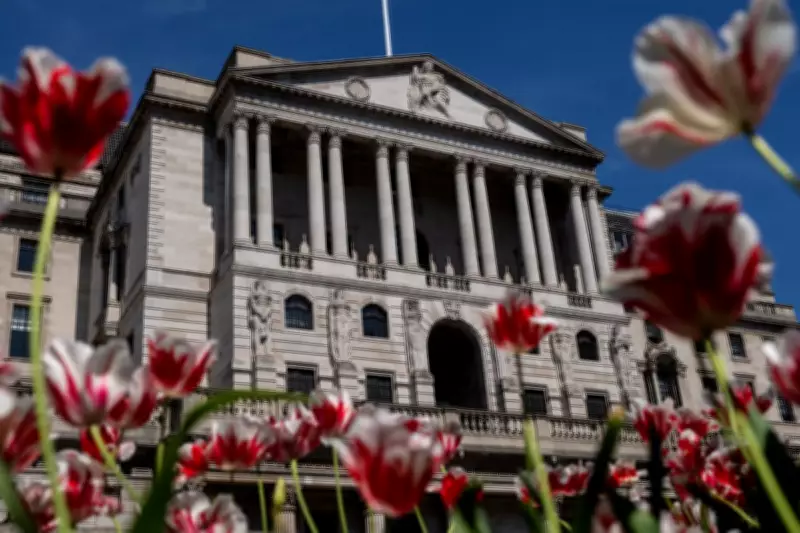
A former Bank of England official has issued a stark warning that interest rates may need to rise this year to combat escalating inflation, dealing a blow to homeowners hoping for mortgage relief. Michael Saunders, who previously served on the Bank's rate-setting Monetary Policy Committee (MPC), stated that lower borrowing costs are becoming increasingly unlikely as food and fuel prices surge due to the ongoing conflict in Iran.
Inflation Projections and Economic Pressures
Now acting as a senior economic adviser at Oxford Economics, Mr Saunders cautioned that rising energy expenses could drive inflation up to 4.5% this year, a significant jump from the current 3% level. This projection marks a sharp reversal from earlier expectations, where both the Bank and City economists anticipated inflation would fall closer to the government's 2% target, potentially allowing for rate cuts to stimulate borrowing and economic growth.
The MPC's most recent meeting last month resulted in a decision to maintain rates at 3.75%. Prior to the military strikes on Iran, the committee had indicated a willingness to reduce rates, but the geopolitical turmoil has fundamentally altered the economic landscape. The committee is scheduled to reconvene on April 30, where analysts predict a continued "wait and see" approach amid the uncertainty.

Mortgage Market Impact and Consumer Concerns
The inflationary pressures have already begun to ripple through the housing market. The cost of a two-year fixed-rate mortgage deal has climbed from approximately 4% to well above 5%, with many of the most competitive offers being withdrawn by lenders. Since the onset of the Iran conflict, the average two-year fixed rate has increased to 5.88%, while five-year fixes have risen to 5.77%.
Mr Saunders emphasised that proactive monetary tightening would be preferable to risking inflation spiralling out of control. He argued, "It would probably be less costly to tighten this year and then loosen if needed next year than to keep rates on hold and then—if significant second-round effects materialise—catch up with sharp tightening next year."
Expert Analysis and Diverging Viewpoints
Supporting his stance, Mr Saunders noted that a rate hike during a period of sharply rising Consumer Price Index (CPI) inflation could more effectively signal the MPC's commitment to its inflation target than maintaining unchanged rates. However, not all economists share this perspective. Paul Dales, chief UK economist at Capital Economics, offered a more nuanced view.
Mr Dales commented, "If CPI inflation does rise to 4.5% (or looks like it is on track to) then it is possible that the BoE hikes interest rates. The reasons Saunders suggests are sensible. In our baseline scenario, CPI inflation rises to 4.0%, which is probably just about a level the BoE can tolerate, especially when the economy is weak."
He further explained, "After all, CPI inflation rose to 3.8% last year, and the BoE carried on cutting rates. My hunch is that it is more likely that the BoE will talk tough, but won't actually deliver a rate hike, unless inflation rises much above 4.0%."
This debate underscores the delicate balancing act facing policymakers as they navigate between controlling inflation and supporting a fragile economy. For borrowers, the prospect of higher interest rates represents a significant financial challenge, potentially prolonging the strain of elevated mortgage costs and dampening hopes for imminent relief.






