
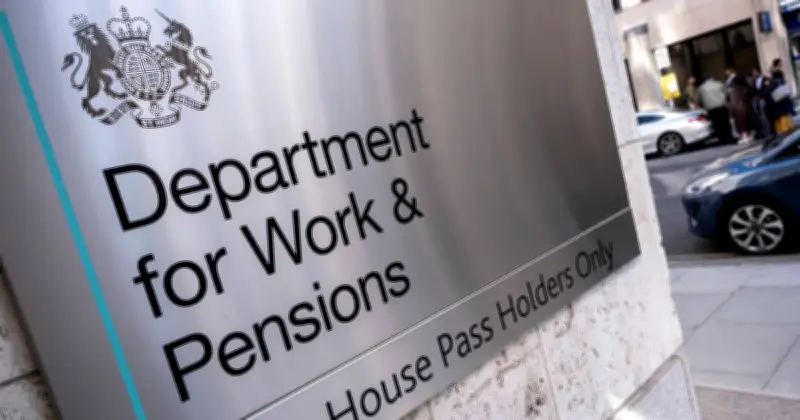
The Department for Work and Pensions (DWP) has published a consultation outlining conditions for releasing 'trapped' capital from defined benefit (DB) pension schemes. The move aims to keep pace with the evolving pension landscape and unlock greater levels of capital for employers, members, and the broader UK economy.
Consultation Details
Published on Wednesday by the DWP, the consultation sets out plans to grant trustees more flexibility to release surplus funds while maintaining robust funding levels. The proposals come as DB pension schemes are in their "strongest ever financial position," with the number of schemes in surplus quadrupling over the past five years. This means the majority of scheme assets now exceed the value of promised pension benefits.
The government seeks to free trapped capital from overfunded schemes to drive economic growth and encourage greater investment from employers. Among the key proposals is a change to the funding threshold, replacing the existing buyout-based test with a low-dependency funding test.
Government Proposals
The government expressed confidence that "full funding on low dependency is the right threshold for surplus extraction," describing low-dependency funding as "a robust and prudent threshold." It also proposed a forward-looking funding test, asserting that benefit security "is not only determined by the funding position at the time of the release but also whether any surplus release meaningfully impacts future scheme funding."
The consultation contends that this additional test offers trustees greater reassurance that surplus release will not jeopardize the scheme's funding position going forward. It further proposes strengthening the surplus release process, including mandatory actuarial assessments, trustee consideration, professional advice, and sponsor agreement.
Transparency and Timeline
The report also calls for improved transparency for scheme members, suggesting they receive notifications at least three months prior to payment, while schemes should inform the Pensions Regulator once payment is made. The consultation closes to responses on September 2, 2026.
Pensions Minister Torsten Bell said: "For the first time in a generation, DB pension schemes are in a genuinely strong financial position, with the vast majority of schemes now having a surplus. This is something well worth celebrating. Now is the time to give trustees the option of safely translating some of those surpluses into real benefits for members and employers."
Industry Concerns
While the industry has broadly welcomed the consultation, acknowledging that the government has taken "a significant step in recognising that the defined benefit landscape has changed materially," concerns remain. Industry figures urge the government to ensure long-term member security remains a central priority.
David Brooks, head of policy at independent pensions consultancy Broadstone, said: "Long-term member security must remain the overriding consideration. Surpluses can disappear more quickly than they are created, particularly during periods of market stress. While the direction of travel is positive, it remains the case that member participation in any surplus distribution is not automatic and will depend on trustee judgement and scheme-specific negotiations. The effectiveness of the new regime will therefore hinge on how consistently trustees prioritise member outcomes when considering surplus release and whether emerging market practice develops towards more explicit and equitable approaches to sharing upside between employers and members."




