

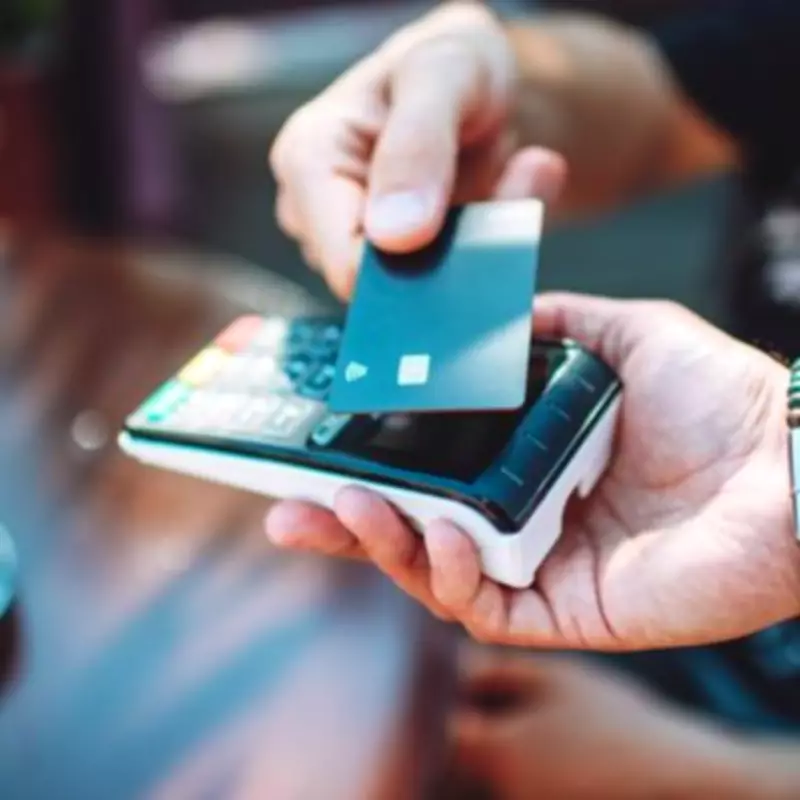
Contactless Payment Limit Scrapped: Experts Warn of Fraud and Debt Risks
The longstanding £100 cap on single contactless card transactions is being officially scrapped this week, with the change taking effect from March 19th. This move by the Financial Conduct Authority is designed to provide consumers with greater flexibility and control over their spending methods, but financial experts are raising significant concerns about potential increased risks of fraud and personal debt.
What the Rule Change Means for Consumers
Under the new regulations, the previous blanket £100 limit that applied to most debit and credit card contactless transactions will be removed. This limit had served as a barrier preventing physical bank cards from being used for contactless payments exceeding £100, though it did not typically affect other contactless payment forms like Apple Pay or Samsung Pay.
Banks will now have the authority to set their own contactless payment limits for customers. Some financial institutions may even offer customers the ability to choose their own personal limits or completely disable contactless payment functionality on their cards. The FCA has framed this change as providing enhanced convenience and consumer choice in payment methods.

Debt and Overspending Concerns
Debt specialists at Money Wellness have issued warnings that the removal of the universal £100 cap could make certain shoppers more vulnerable to overspending and accumulating debt. They explain that the existing limit served as a psychological spending barrier for many consumers.
"The idea of giving consumers more flexibility when it comes to contactless payments makes sense," the experts stated. "But there's always a risk that it could also make spending feel a little bit too easy. The existing £100 cap sounds like a natural spending barrier to many, and a number we're psychologically conditioned to not go over."
They further elaborated that simply knowing this limit existed prompted consumers to pause and reconsider larger purchases or impulse buying. With significantly higher limits potentially becoming available, the experts warn it could become much easier to spend substantial amounts without proper awareness of the accumulating costs.
Fraud Risk Considerations
Some customers have expressed apprehension about increased fraud vulnerability resulting from this regulatory change. Previously, the £100 limit provided some protection against fraudsters with stolen cards, as they would typically need the PIN to make transactions above that threshold.
However, the Financial Conduct Authority has provided assurances that removing the limit will not diminish existing fraud controls and protections. In fact, the regulatory body has suggested that this change could enable banks to strengthen their fraud prevention measures and detection systems.
The fundamental protections around fraudulent or unauthorized payments will remain unchanged. If a card is lost or stolen and used without permission, customers will continue to be reimbursed according to standard banking protocols. The experts emphasized that while contactless limits may change, the basic protections against card fraud should and will stay the same - or potentially improve.
Potential Confusion and Bank Variations
Another concern raised by financial experts involves the potential for confusion as different banks implement varying approaches to the new regulations. While most institutions are expected to maintain the £100 limit initially, customers may eventually encounter different rules depending on their banking provider.
The experts have urged anyone using contactless payments to actively review their payment settings and choose whatever configuration works best for their financial situation and comfort level. They added reassuringly: "If the changes feel confusing or stressful, then don't worry. Banks are expected to explain any updates clearly to their customers."
This significant shift in payment regulations represents a substantial change to how consumers interact with their finances daily, balancing increased convenience against potential financial risks that require careful consideration and personal responsibility.






