
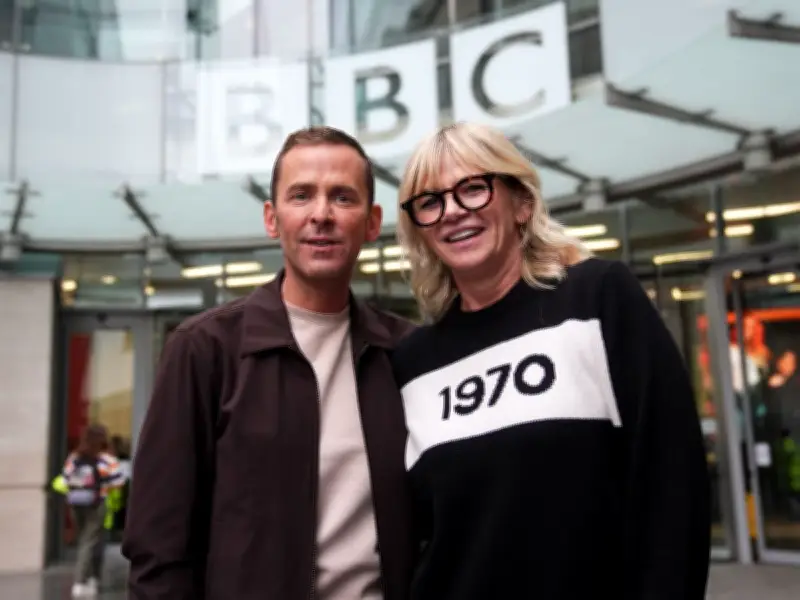
At a time when more than half a million households have stopped paying their licence fee, the BBC's decision to pay stars like Scott Mills £750,000 is under scrutiny. However, Mills has been sacked for sexual misconduct and no longer earns from the BBC.
Top Earners See Pay Rises Despite Cuts
Top earners like Greg James, Stephen Nolan, Laura Kuenssberg, and Vernon Kay have seen their £400,000+ pay packets rise by £10,000 to £20,000 in the past year. This rankles as programmes like BBC Two's Winterwatch are cut to save money.
Progress in Reducing Talent Pay
Since salaries were first revealed nine years ago, the BBC has reduced its total talent pay bill. The Radio 2 breakfast show host salary has fallen from Chris Evans's £2.2 million in 2017 to Zoe Ball's £1.4 million in 2019, then to £950,000 after her request for a reduction. Scott Mills's £750,000 now seems more reasonable, and Sara Cox, who took over in early 2025, is likely paid less.
Gary Lineker left on £1.75 million, and Graham Norton earned £900,000 for BBC work excluding his chat show.
BBC Defends Pay Reduction Efforts
BBC Deputy Director General Rhodri Talfan Davies noted "remarkable progress" in the past six or seven years, with talent pay above £500,000 down by 50%. He said, "If you look at all our on-air presenter costs over the last seven years, they've come down by about £20 million. So we have been focused on it."
Inflated salaries are a top reason for licence fee evasion. Davies admitted it's a "balancing act" to attract top talent, adding, "We're very mindful of the financial pressures that we're facing. But we're striking that balance very, very carefully, and I think you'll see that downward trend continuing."
Licence Fee Evasion and Potential Solutions
539,000 households stopped paying the licence fee this year, many wrongly believing they are exempt if they only watch catch-up. BBC finance boss Bey Michel said this trend will accelerate.
Director General Matt Brittin suggested expanding the licence fee to cover streamers like Netflix, Amazon Prime, Apple, and Disney, arguing that the BBC's investment in production ecosystems benefits these platforms. However, extracting money from streamers that often avoid corporation tax may prove challenging.




