
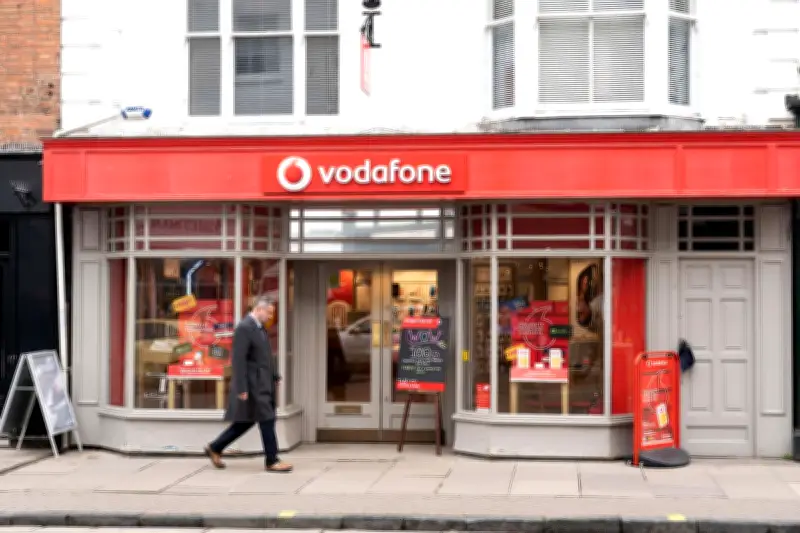
Vodafone Group has reported increased sales and profits as its cost-reduction programme led to the elimination of 1,200 positions in Europe over the last quarter.
Job Cuts and Cost Savings
The telecoms giant said its cost-saving initiatives had driven the reduction in roles across Europe and its shared operations in the three months to the end of June. Vodafone did not specify how many UK jobs were affected, and some of the reduction came from natural attrition. The company aims to save about £700 million annually from total costs and capital spending by the 2030 financial year.
Part of the savings stem from Vodafone’s merger with Three in the UK, completed last year, which created the nation’s largest mobile operator. The company has been integrating the two brands, including sharing their 5G networks.
Financial Performance
Under chief executive Margherita Della Valle, Vodafone has focused on its biggest markets in Germany, the UK, and Africa, while exiting smaller markets. In the first quarter, service revenues reached 8.6 billion euros (£7.4 billion), up 10% year-on-year. On an organic basis, service revenues rose 5.2%, and adjusted earnings increased 6.7%. Vodafone now expects adjusted earnings between 13 billion euros (£11.1 billion) and 13.3 billion euros (£11.4 billion) for the year, after taking control of Kenya-based Safaricom last month.
UK Market Challenges
In the UK, mobile service revenues on an organic basis declined 0.7% in the quarter compared with the previous year, partly due to the phasing out of mid-contract price rises after a crackdown by regulator Ofcom. The number of UK mobile contract customers dropped by 48,000 during the quarter, including business SIMs, but the company gained about 34,000 broadband customers.
Mark Crouch, market analyst for Etoro, said: “For years, Vodafone has promised that its turnaround would eventually show through in the numbers. This latest update suggests that promise is finally starting to become reality. While the headline revenue boost was helped by the consolidation of Three UK and Safaricom, the stronger message is that the underlying business is beginning to build momentum.”




