
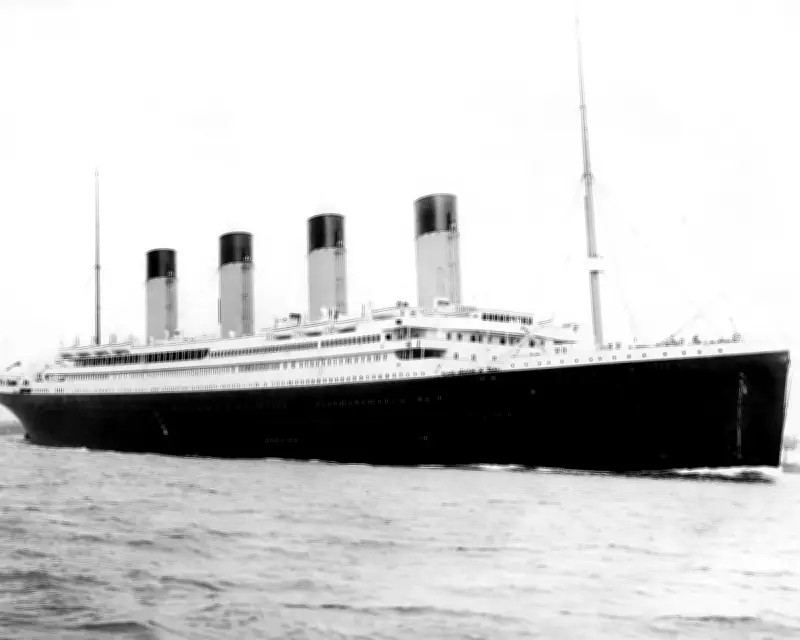
The United States government has formally opposed a plan by RMS Titanic Inc to auction more than 100 artifacts salvaged from the wreck of the RMS Titanic, according to newly unsealed court documents. The company, which holds exclusive salvage rights to the wreck site, intends to sell items including personal belongings, currency, kitchenware, and decorative pieces for the first time, despite prior commitments to display them only in museums and traveling exhibitions.
Proposed Auction and Artifacts
Georgia-based RMS Titanic Inc has proposed auctioning the artifacts and concurrently exhibiting them on a global tour across four cities, though the specific locations have not been disclosed. Court filings reference items such as a bronze cherub, a necklace of gold nuggets, and a heart-shaped pendant among the collection slated for sale.
Government's Legal Objections
The National Oceanic and Atmospheric Administration (NOAA), which represents US interests and oversight at the wreck site, argues that the sale would violate RMS Titanic's legal obligations. In documents unsealed earlier this month, the government stated that the company "does not seek the court's approval, does not believe that approval is required, and asserts that it is not restricted in its ability to sell" the artifacts. The government contends the auction should be prohibited.
RMS Titanic Inc's attorneys have countered in federal court filings that the proposed auction arrangement does not breach existing court orders or agreements concerning the artifacts. The company did not respond to requests for comment.
Historical Context of Artifact Sales
This is not the first attempt to sell Titanic artifacts. Since 1987, salvage operations have recovered thousands of items, including sections of the ship's hull. RMS Titanic Inc typically generates revenue by exhibiting these artifacts. Over the years, the company has sought to sell items to fund future expeditions or due to financial difficulties, but such efforts have consistently faced opposition from US courts, preservation groups, and relatives of victims. Some salvaged items originally belonged to passengers aboard the Titanic.
However, items saved by survivors or recovered by rescuers after the sinking can be sold legally and often achieve high prices. For instance, a life jacket worn by a passenger sold for just over $900,000 in April 2024, and a gold pocket watch given to the captain of the rescue ship sold for nearly $2 million in 2024.
Market Demand for Titanic Memorabilia
Auctioneers attribute the high demand and exorbitant prices to the enduring fascination with the Titanic, which sank on its maiden voyage from Europe to New York on 15 April 1912 after striking an iceberg, resulting in the deaths of more than 1,500 of the 2,200 people aboard. The rarity of authentic artifacts further drives collector interest.




