Unilever and McCormick Forge £33.8 Billion Food Merger Creating Global Giant
Unilever-McCormick £33.8bn Food Merger Forms Industry Titan

Unilever has officially confirmed a monumental £33.8 billion merger of its food business with American competitor McCormick, establishing a dominant new force in the global food industry. The agreement, finalised on Tuesday 31 March 2026, follows earlier reports of advanced negotiations between the two corporate giants.

A New Food Powerhouse Emerges

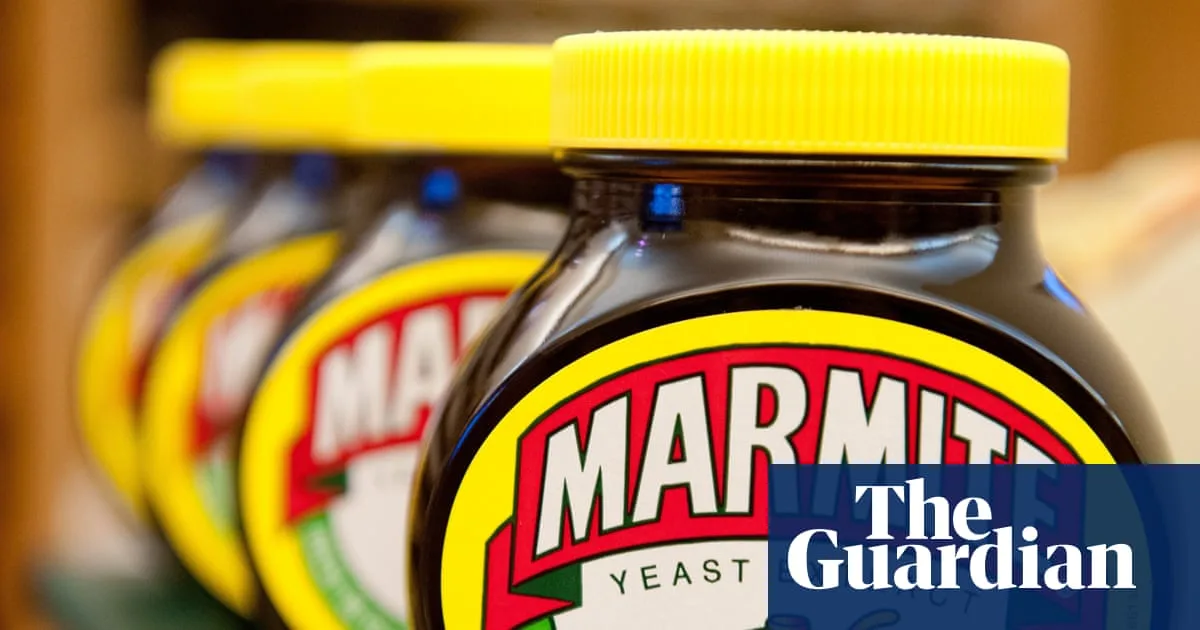
The merger will unite some of the world's most recognisable food brands under one corporate umbrella. Unilever's iconic portfolio, featuring household names like Hellmann's mayonnaise, Marmite, Knorr, and Colman's mustard, will be integrated with McCormick's esteemed assets, including French's mustard and the Schwarz brand. This combination is poised to create a "flavour powerhouse" with unparalleled market reach and brand recognition.

Financial Structure and Valuation

Under the terms of the deal, Unilever will receive an upfront cash payment of approximately $15.7 billion (£11.9 billion) along with equity in McCormick. Crucially, Unilever and its shareholders will retain a controlling 65% stake in the newly formed Unilever Foods entity. This stake is divided, with Unilever shareholders owning 55.1% and Unilever itself holding a 9.9% interest. This financial arrangement values the Unilever Foods business at a staggering $44.8 billion (£33.8 billion).

Wide Pickt banner — collaborative shopping lists app for Telegram, phone mockup with grocery list

Fernando Fernandez, Chief Executive of Unilever, articulated the strategic rationale behind the move. "We are unlocking trapped value through a growth-led separation of foods, creating a scaled, global flavour powerhouse," he stated. "By combining Unilever Foods' iconic leading brands and global reach with McCormick's exceptional portfolio, category expertise and capabilities, we are establishing a focused, high-quality business with significant top line growth and value creation potential."

Strategic Rationale and Expected Benefits

Company executives anticipate the merger will be completed by mid-2027. The combined entity projects it will achieve substantial annual cost efficiencies, targeting savings of around $600 million (£453.2 million) each year. This deal represents a significant strategic overhaul for Unilever, a multinational conglomerate historically known for its diverse brand portfolio.

The divestment of its food division will leave Unilever focused on its beauty, personal care, and home care segments, which include major labels such as Dove, Radox, Vaseline, and Persil. Recent financial results indicate that beauty and wellbeing brands have been performing particularly strongly for the group in recent months, reinforcing this strategic pivot.

Unilever's Broader Portfolio Reshuffle

This transaction is the latest in a series of strategic moves by Unilever to refine its business focus. Last year, the group spun off its ice cream division to create the independent Magnum Ice Cream Company, which was subsequently floated with a primary listing in Amsterdam and secondary listings in New York and London.

In recent years, Unilever has also divested several other food-related assets, including the snacking business Graze and the plant-based brand The Vegetarian Butcher. Conversely, the company has actively sought to expand its personal care footprint, completing acquisitions of fast-growing brands like Wild and Dr Squatch over the past year.

Cost Management Amid Global Uncertainty

In a related development, Unilever confirmed it is implementing a temporary freeze on recruitment as part of broader cost-containment measures. This decision is attributed to the uncertain global economic environment, exacerbated by ongoing conflicts in the Middle East.

A Unilever spokesperson clarified the company's position: "Reflecting the uncertain external environment, we have decided to put in place a temporary pause on our recruitment. We remain an agile business and will always adjust our plans as necessary." This move underscores the company's proactive approach to navigating macroeconomic turbulence while executing its long-term strategic transformation.

Pickt after-article banner — collaborative shopping lists app with family illustration




