

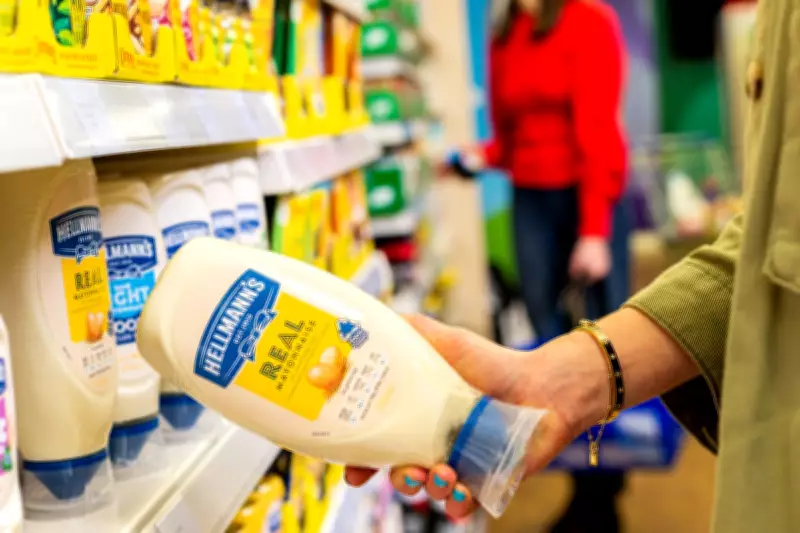
Consumer goods giant Unilever has announced it is in advanced talks to merge its food business with US rival McCormick & Company in a landmark deal valued at approximately $15.7 billion (£11.9 billion). The discussions, which are at a late stage, could see Unilever's food unit combined with McCormick, a major player in spices and seasonings known for brands like Cholula hot sauce and French's mustard.
Deal Structure and Shareholder Implications
The proposed merger is likely to involve a cash payment of around $15.7 billion (£11.9 billion) upfront, along with equity in McCormick. If the sale proceeds, Unilever and its shareholders would hold a 65% stake in the newly formed combined company. Unilever has indicated that an agreement could potentially be reached imminently, although it cautioned that there is no certainty a deal will be finalized.
Strategic Overhaul for Unilever
This potential merger represents a significant strategic shift for Unilever, a multinational corporation that owns iconic food brands such as Hellmann's, Colman's, and Marmite. By divesting its food business, Unilever would focus more heavily on its portfolio of beauty, personal care, and home care labels, including Dove, Radox, Vaseline, and Persil. This move aligns with recent trends, as the company's beauty and wellbeing segments have shown strong sales performance in recent months.

Recent Portfolio Adjustments
Unilever has been actively restructuring its business in recent years. Last year, the group spun off its ice cream division to create the Magnum Ice Cream Company, which was floated with a primary listing in Amsterdam and secondary listings in New York and the UK. Additionally, Unilever has sold off several food brands, including the snacking business Graze and the plant-based brand The Vegetarian Butcher.
Focus on Growth in Personal Care
In contrast to the divestments in food, Unilever has pursued growth in its personal care sector. Over the past year, the company has completed acquisitions of fast-growing brands such as Wild and Dr Squatch, aiming to bolster its presence in this lucrative market. This strategic pivot underscores Unilever's commitment to adapting to evolving consumer preferences and market dynamics.
The potential merger with McCormick, if finalized, would mark a pivotal moment in Unilever's corporate strategy, potentially enhancing its competitive edge in the global consumer goods landscape while streamlining its operations towards higher-growth areas.






