

Unilever and McCormick Forge $44.8bn Food Merger to Establish Global Powerhouse
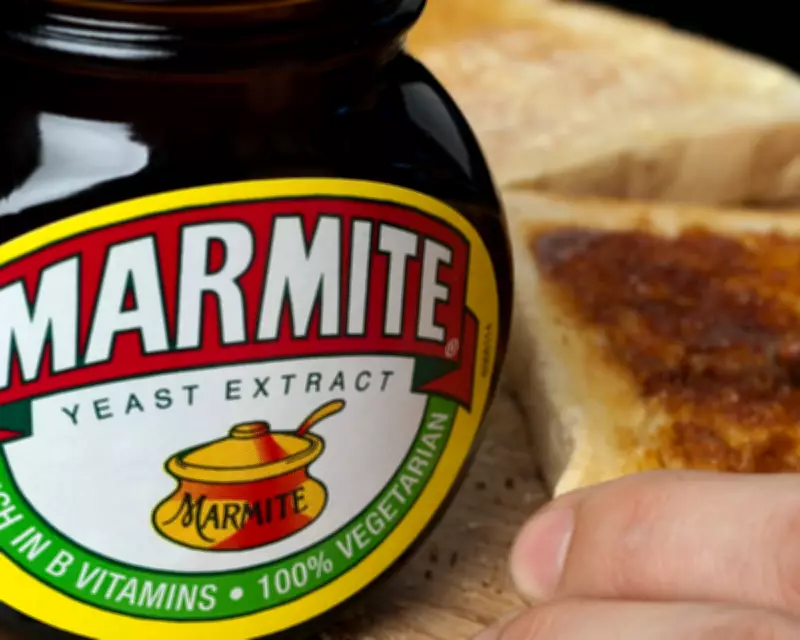
In a landmark corporate move, Unilever has finalised a $44.8bn agreement to merge its food division with US-based McCormick, creating a new entity that will be majority-controlled by the Anglo-Dutch conglomerate. This strategic deal marks a significant shift for Unilever, which will now concentrate its core efforts on beauty, personal care, and home products, while spinning off iconic brands such as Marmite, Hellmann's mayonnaise, and Pot Noodle.
Structure and Control of the New Venture
Under the terms of the arrangement, Unilever will hold a 65% stake in the combined company, which will be named McCormick and led by its existing executives. However, senior management will include representation from Unilever's food business, ensuring a collaborative approach. McCormick will pay Unilever $15.7bn in cash and $29.1bn in shares, acquiring a stake in nearly all of Unilever's food operations.
The merger brings together a diverse portfolio of brands: Unilever's Knorr, Pot Noodle, and Colman's mustard will join McCormick's offerings like French's mustard, Old Bay seasoning, and Cholula hot sauce. This consolidation is projected to yield annual cost savings of $600m by the end of the third year, achieved through optimisations in manufacturing, distribution, and procurement. The companies have not yet specified potential job impacts or locations, emphasising that growth acceleration is the primary focus.

Strategic Implications and Market Reactions
This transaction represents a pivotal moment for Unilever, ending nearly a century of food product emphasis and repositioning the company to compete directly with major household and personal care firms such as L'Oréal, Beiersdorf, and Estée Lauder. Unilever's chief executive, Fernando Fernández, described the move as "unlocking trapped value" and creating a "scaled, global flavour powerhouse."
Following the announcement, Unilever's shares plummeted by almost 7%, while McCormick's stock fell by 5.6% in the US. Analysts at Jefferies noted that the deal might reduce global economies of scale, historically argued by Unilever as critical for efficiency, and could prompt future acquisitions in health and beauty sectors. The new company plans a secondary stock listing in Europe to accommodate Unilever's international shareholder base.
Operational Details and Exclusions
The combined entity will maintain McCormick's global headquarters in the US and its New York stock exchange listing, with an international headquarters at Unilever's existing food base in the Netherlands. Unilever's food business employs research, development, and marketing staff in the UK, operating factories in Crumlin, Wales (Pot Noodle) and Burton-on-Trent (Hellmann's, Marmite, Colman's mustard).
Not all of Unilever's food assets are included; operations in India and brands like Horlicks and Boost will remain outside the merger. The new company boasts total annual revenues of approximately $20bn. Brendan Foley, McCormick's chief executive, expressed confidence in retaining talent and integrating the two organisations smoothly, citing a detailed roadmap and experienced teams.
Historical Context and Future Outlook
This deal follows a series of divestitures by Unilever, including the sale of its spreads business in 2017 (featuring Flora and I Can't Believe It's Not Butter!), most of its tea division in 2022 (Lipton, PG Tips, Tazo), and last year's spin-off of its ice-cream arm (Ben & Jerry's, Magnum, Wall's). Other disposals have included The Vegetarian Butcher and Graze.
Executed through a Reverse Morris Trust structure, the transaction is tax-free for Unilever and its shareholders under US federal income tax laws. As Unilever implements a three-month global hiring freeze amid Middle East conflict impacts, this merger underscores its strategic pivot towards high-growth categories, reshaping the global food and consumer goods landscape.






