

Unilever has finalised a monumental agreement to merge its food division with American competitor McCormick, in a deal valued at £33.8 billion. This strategic partnership establishes a formidable global food giant, poised to reshape the industry landscape.
Financial and Structural Details of the Merger
Under the terms of the agreement, Unilever will receive approximately £11.9 billion in cash upfront, along with equity stakes in McCormick. Notably, Unilever will retain a commanding 65% ownership share in the newly formed entity, to be known as Unilever Foods. The merger is projected to conclude by mid-2027, pending regulatory approvals and standard closing conditions.
Iconic Brands and Market Impact
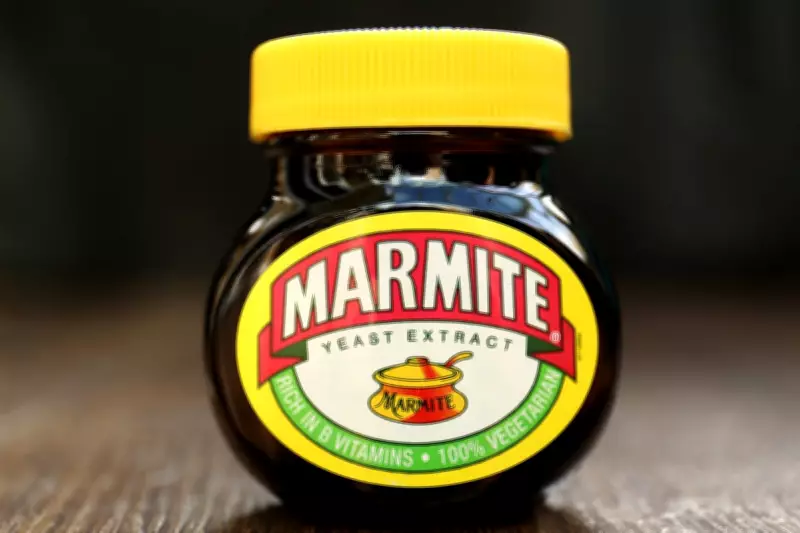
The combined business will unite some of the world's most recognisable food brands. From Unilever's portfolio, this includes household names such as Hellmann's mayonnaise and Marmite yeast extract. McCormick contributes its own iconic labels, notably French's mustard and the Schwarz spice range. This fusion is expected to create a diversified and robust product lineup with enhanced market reach across multiple continents.

Strategic Vision and Efficiency Gains
Fernando Fernandez, CEO of Unilever, emphasised that the merger is designed to unlock significant value and establish a focused, high-quality enterprise with substantial growth prospects. The company anticipates achieving annual cost efficiencies of around £453.2 million through synergies in operations, supply chains, and marketing efforts. This move aligns with Unilever's broader strategy to streamline its portfolio and concentrate on core growth areas.
Broader Corporate Context and Recent Moves
This landmark deal follows a series of strategic actions by Unilever to refine its business focus. Recent initiatives include the spin-off of its ice cream division and the sale of other non-core food brands. These steps allow Unilever to sharpen its attention on its beauty, personal care, and home care segments, which are seen as key drivers for future profitability. Additionally, the company has implemented a temporary recruitment freeze in response to ongoing global economic uncertainties, reflecting a cautious approach to operational management amidst volatile market conditions.
The merger between Unilever and McCormick marks a pivotal moment in the global food industry, setting the stage for increased competition and innovation in the years ahead.






