Inflation has hit its highest level since early spring after last month’s double-digit hike in energy prices. The Office for National Statistics (ONS) said Consumer Prices Index (CPI) inflation rose to 2.9% in July, up from 2.6% in June and the highest level since March.
Experts are predicting further inflation pain later this year caused by the ongoing Middle East conflict.
What is inflation?
Inflation is the term used to describe the rising price of goods and services. The inflation rate refers to how quickly prices are going up. July’s inflation rate of 2.9% means if an item cost £100 a year ago, it would now cost £102.90. The flat rate of inflation means prices are still increasing, but at the same pace as during the previous month.
What caused inflation to rise?
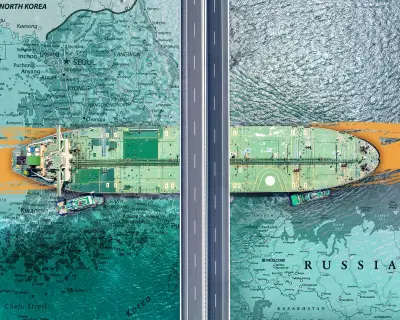
The ONS said the rise in inflation was driven by higher energy prices, with Ofgem’s price cap having risen by 13% last month, which increased the average household gas and electricity bill by £221 to £1,862 a year. Gas price inflation in particular shot higher, up 14.7% on a month-on-month basis in July. It comes after wholesale energy prices have been sent rocketing by the war in Iran, which has seen the vital Strait of Hormuz shipping route effectively closed since the conflict started on February 28.
While fuel costs have risen back up in recent weeks, they were lower month-on-month in July amid hopes over a resolution to the war. The ONS said crude oil was 18% lower between June and July, which only partly offset some of the energy price hikes. But benchmark Brent crude oil has rocketed back up in recent weeks, now standing above 90 US dollars a barrel, as the war shows no sign of ending.
Where will inflation go from here?
Most experts are predicting inflation will surge past 3% later this year, with energy and fuel costs set to inflict the greatest pain on living costs. Cornwall Insight’s latest forecast shows a 4% rise on the cards for October 1, which will hit particularly hard as household energy use ramps up over winter. The Government’s move to cut VAT from household electricity bills from October is set to help limit what would otherwise be a larger increase, but will be more than offset by rising wholesale costs, Cornwall said. Higher petrol and diesel costs will also feed through to the headline rate.
The Item Club is predicting CPI to peak at 3.5% by the end of 2026. Matt Swannell, the Item Club’s chief economic adviser, said: “July’s uptick in inflation will mark the start of a sustained increase in inflationary pressures over the rest of the year.” But other experts are more optimistic the UK will not face runaway inflation, with some areas showing resilience so far, such as food inflation, which fell to 1.2% in July – the lowest level since September 2021. Martin Beck, chief economist at WPI Strategy, said: “The inflationary impact of the conflict with Iran has so far been less severe than feared. Higher energy prices are clearly showing up in headline inflation, but there is little evidence yet that the shock is spilling over into broader price pressures.”
What does the latest hike in inflation mean for interest rates?
The Bank of England is tasked with keeping inflation at 2%, so a move further away from this will be watched closely by policymakers. But wage data on Tuesday showing earnings growth in the private sector fell to a near six-year low is set to take the pressure off the Bank to raise rates, currently at 3.75%. Mr Swannell said a cooling jobs market and lack of pricing power for firms will likely see the Bank hold rates for the rest of the year.