
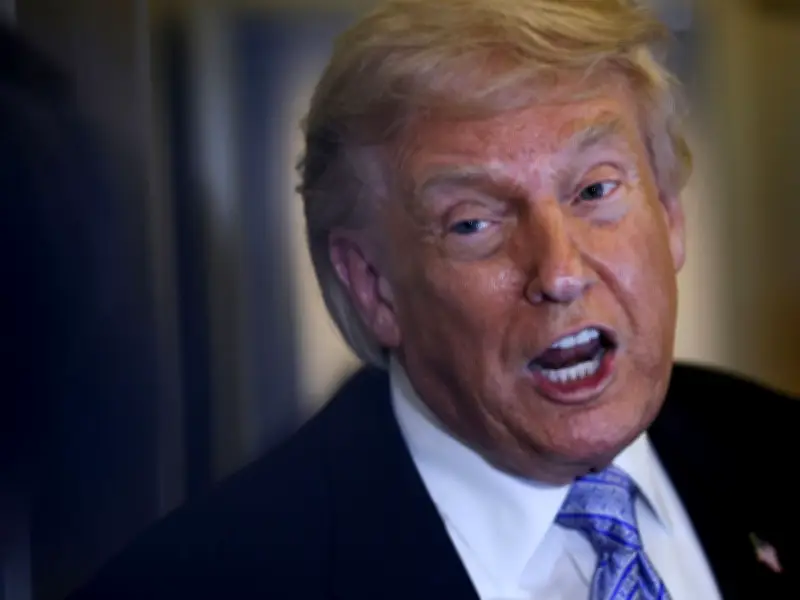
Donald Trump has declared the United States "the guardian of the Hormuz Strait" and vowed to charge vessels 20% of the value of their cargo to use the key waterway, escalating tensions with Iran and risking global economic stability.
Legal and Economic Concerns
Huge doubts hang over whether imposing such fees is even workable, aside from being widely seen as illegal. The proposal comes amid a fresh flare-up in US-Iran hostilities, with Trump blasting Tehran for threatening similar fees. A 20% tax on oil and gas flowing through the strait would drive up energy costs, exacerbating the economic shock from the Iran war that began in February.
Oil prices have already risen to $87 a barrel, the highest since the ceasefire was agreed, after mounting tit-for-tat attacks. This spike is quickly passed on to consumers, halting declines in pump prices and increasing costs for businesses. British drivers filling up for summer holidays face higher fuel bills, while wholesale energy costs threaten to raise gas and electricity bills ahead of winter.
Impact on Inflation and Interest Rates
The prospect of falling inflation had paved the way for central banks like the Bank of England to consider lowering interest rates. However, the escalating crisis makes rate cuts more remote and raises the likelihood of hikes instead. Government borrowing costs have also risen, with 10-year UK gilt yields exceeding 5% for the first time since May, adding to the debt burden.
According to experts, Trump's latest threat may be a "TACO" (Trump Always Chickens Out) moment, but the damage is already done by extending the cost of living crisis. Ordinary people are counting the cost of events thousands of miles away, as pump prices rise and mortgage borrowers face uncertainty.




