
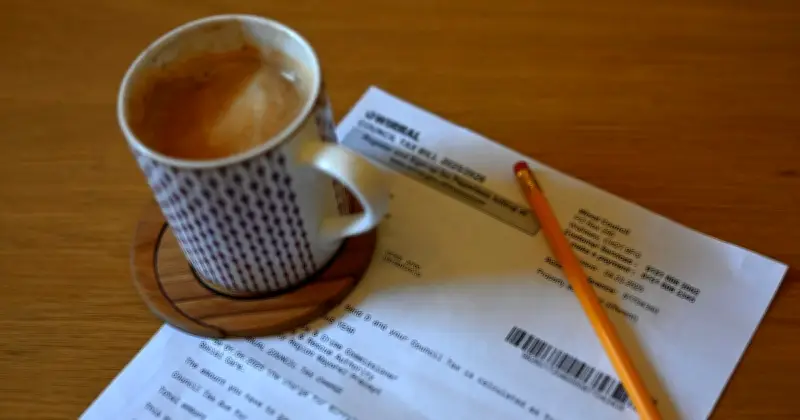
Tens of thousands of pensioners are paying excessive council tax bills when they could be reduced to zero, according to new research. Many are unaware of a rate reduction available for those on low incomes or claiming benefits, which can cut bills by up to 100 percent regardless of home ownership, employment, or rental status.
Poor Publicity Blamed for Missed Support
Poor publicity has been blamed for £1.71 billion in support failing to reach those who need it. Analysis by Independent Age reveals that only 50 percent of eligible pensioners are receiving Council Tax Reduction (CTR), also known as Council Tax Support, which is administered by local authorities.
The charity claims that increasing CTR take-up to 100 percent for those above pensionable age would reduce the number of households living in poverty by 74,000.
Charity Chief Executive Speaks Out
Independent Age Chief Executive Joanna Elson said: “Older people on low incomes are having their budgets stretched to breaking point and rising council tax is pushing far too many pensioners deeper into financial hardship.”
“Our research shows that lack of CTR take up is keeping a shocking 74,000 older households in poverty. It’s not right that people in later life are cutting back on essentials such as food and heating so they can cover their council tax bill when this help is available to them.”
“Both the Government and local authorities have a role to play in ensuring CTR is well publicised and reaching those that need support. If the Government is serious about raising living standards, it must increase the level of support it provides to local authorities for delivering CTR and help lift tens of thousands of older people out of poverty.”
Regional Variations in Take-Up
The charity’s research also shows wide regional variations in take-up, with the lowest numbers in the South West and South East, and the highest in the North East.
The amount of discount depends on location, as each council runs its own scheme, as well as income, number of children, benefits, residency status, savings, pensions, and a partner’s income. However, CTR can reduce an average bill from £2,392 to £0, providing a low-income household with a saving of £46 per week.
Report Highlights Financial Strain
The scandal is revealed in a new report titled Missing out on Millions, in which Independent Age surveyed older people on low incomes. Many described council tax as a cost that stretched finances to breaking point but one they viewed as a priority to pay to avoid falling behind. This has forced some to cut back on essentials like water, food, and energy.
The charity also found confusion among many older people regarding the difference between CTR and other council tax discounts, potentially reducing the number of people receiving the support they are entitled to.
Worryingly, many local authorities are experiencing funding pressures that limit their ability to boost awareness and increase take-up.
Personal Story
One 66-year-old CTR recipient from Birmingham said: “If I hadn’t applied I’d be paying more than £900 a year in council tax. The money I’m saving means that I don’t have to be cold in winter and I can turn my heating on. I don’t have to worry so much if a bill that is higher than expected comes or if I have any unforeseen expenses. And I can afford to buy myself fresh and healthy food.”
The Treasury has been contacted for comment.




