

Soho House's £2bn Revival: Can Ashton Kutcher Restore Its Lost Cool?
When Soho House first opened its doors in 1995 on London's Greek Street, it was envisioned as a sanctuary for the creative elite. Nestled above founder Nick Jones's Cafe Boheme in a Georgian townhouse, the members' club aimed to provide a home away from home. "I just wanted people to go in, have fun and meet each other," Jones remarked about the founding ethos. Fast forward to today, and the landscape has transformed dramatically.
From Exclusive Haven to Global Chain
Soho House has evolved from a single London location into an international chain with over 40 houses worldwide. New venues are imminent in Tokyo, Milan, Madrid, and Sydney, with plans to expand into California's Coachella Valley—conveniently near the influencer-heavy music festival. However, this growth has come at a cost. Once the epitome of cool, where spotting Jude Law in the Circle Bar was a rite of passage, the club now faces mounting grumbles.
Common complaints include overcrowding, with membership soaring past 210,000, long waits for tables despite annual fees reaching up to £4,500, and perceived disinterest from staff. In 2024, frustration peaked, forcing the group to temporarily halt new memberships in New York and London. Yet, just two years later, a £2 billion sale to return the company to private ownership has sparked speculation about a potential return to its Nineties heyday.

The £2bn Deal and Celebrity Involvement
The sale was led by the MCR hotels group, with actor-turned-investor Ashton Kutcher joining the board of directors. Kutcher, who hasn't appeared in a Hollywood film since 2023, has faced controversy, including writing a letter of support for his That '70s Show co-star Danny Masterson during a rape trial, which he later expressed regret for in a video critics called "incredibly insulting." He also drew criticism for past associations with Sean 'Diddy' Combs.
Existing shareholders, including American businessman Ron Burkle, Ivy Collection boss Richard Caring, and founder Nick Jones, have retained their stakes. This infusion of capital and celebrity backing aims to revitalize the brand, but members remain skeptical.
Member Experiences: From Quiet Gyms to Hectic Pools
Thirty-three-year-old writer Grace notes that the club has felt quieter recently. "There used to be a literal queue for the treadmills at Shoreditch gym in the mornings, and now there isn't," she says. While she finds the Houses convenient for a solid night out, she doesn't consider them "special" anymore. The pool areas, however, remain a point of contention. Grace criticizes the strict booking systems and wristbands, arguing they miss the point of a members' club where one should "rock up when you want."
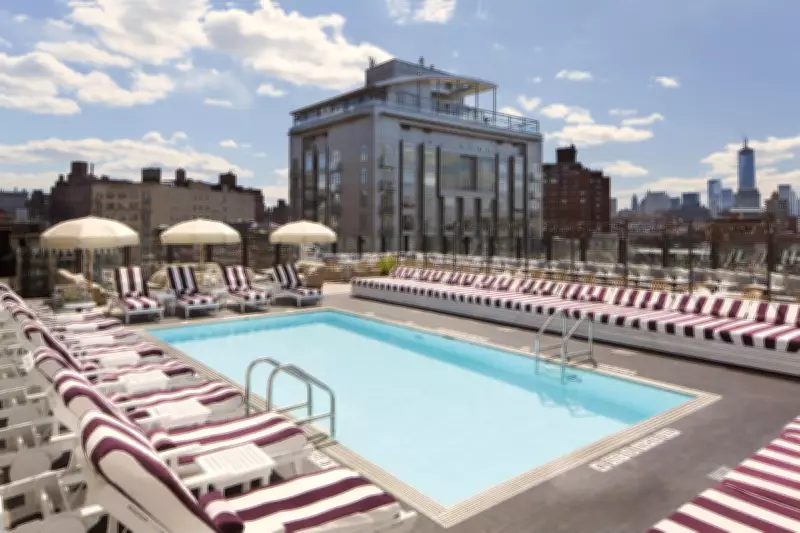
Twenty-nine-year-old Lauren shares similar frustrations. Accepted as a member during a London heatwave, she hoped to use the rooftop pool at White City House but faced overcrowding and limited sun loungers. In Miami, a TikTok user highlighted members lying on towels on the beach due to a shortage of 500 loungers, questioning the value of membership. Lauren also felt judged by staff and other members, noting a lack of networking opportunities. She would only return if prices dropped significantly, doubting the club's current cool factor.
Shifting Priorities: From Nightlife to Wellness
Podcasters Ally Mac and Georgia Forsyth-Read described their Soho House experiences as "embarrassing," citing congested terraces. PR consultant Lauren O'Connor ditched her membership due to overcrowding, preferring to explore new restaurants over returning to a place that never had a table. For many current members, the primary draw is the gym, which offers a cheaper alternative to luxury options like Third Space or Equinox. This reduction to a fitness facility signals how far the club has strayed from its creative roots.

Society has shifted, too. Wellness is now cool, and messy nights out are less appealing. Soho House plans to host its first international Wellness Summit in Miami in 2026, opening another Soho Health Club. This move might seem a departure from its origins but could align with modern trends. The club has also updated its policies, such as removing flat surfaces from toilets and implementing a "one in, one out" cubicle rule after a 2002 incident where a child ingested an ecstasy pill at a party.
Demographic Changes and Creative Decline
The demographic has evolved from the "Cool Britannia" era to a more inclusive mix. CEO Andrew Carnie told Fortune in 2024 that the brand strives for an even split of men and women, ethnicity, and background, relying on local committees to ensure balance. However, complaints about overcrowding and the presence of "finance bros" persist. This shift mirrors broader changes in Soho, where rising rents and pandemic impacts have eroded independent venues, replacing them with chains like Gail's over iconic spots like G-A-Y.
Lauren observes that creatives, the original target market, are leaving, replaced by those in finance. "People will just go somewhere else," she predicts. A Soho House spokesperson rejected these claims, emphasizing a loyal global membership and positive feedback. They highlighted unique amenities like rooftop pools and private beaches, managed through booking systems to ensure smooth operations during peak times.
The Future: Joy in Dark Days
The genius of Soho House has always been offering a retreat from daily life. In an increasingly unstable world, that need remains strong. While it may never fully recapture the Nineties magic, there will always be a place for venues that bring joy and light. The £2bn revival, backed by Ashton Kutcher and new investments, aims to restore that allure, but only time will tell if it can balance growth with the exclusive cool that once defined it.





